Symptoms and Treatment of Hip Osteoarthritis
Dec 29, 2022
Source: Cainiu Health

Dr. Lin Yunfei
Introduction
After a definitive diagnosis, appropriate treatment should be initiated. For patients with mild hip arthritis, treatment primarily involves medication, including non-steroidal analgesics and anti-inflammatory drugs, glucosamine, and sodium hyaluronate. If these are ineffective, surgical intervention should be considered, specifically joint replacement surgery. Patients must actively cooperate with their physicians to achieve optimal treatment outcomes.
In daily life, patients with hip arthritis often have a history of long-term joint wear and tear. If the condition is severe, it can significantly affect the patient's overall health. What are the symptoms of hip osteoarthritis, and how is it treated?
Symptoms and Treatment of Hip Osteoarthritis
After diagnosis, appropriate treatment should be initiated. For milder cases of hip arthritis, treatment primarily involves medication, including non-steroidal analgesics and anti-inflammatory drugs, glucosamine, and sodium hyaluronate. If these treatments prove ineffective, surgical intervention should be considered, such as total joint replacement. Patients must actively cooperate with their physicians to achieve optimal treatment outcomes. It is also important to understand the underlying causes of hip arthritis. The incidence of this condition is directly proportional to body weight. Additionally, factors such as genetics, physical trauma, endocrine disorders, and unhealthy lifestyle habits may contribute to the development of the disease.
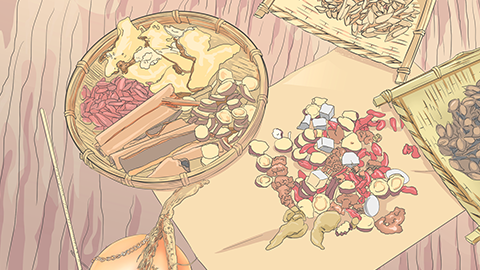
Patients with hip arthritis should seek timely treatment. Prior to initiating therapy, a thorough physical examination is necessary. Common diagnostic methods for hip arthritis include X-ray imaging, other radiological examinations, and laboratory tests. Knowing the test results helps facilitate accurate diagnosis.
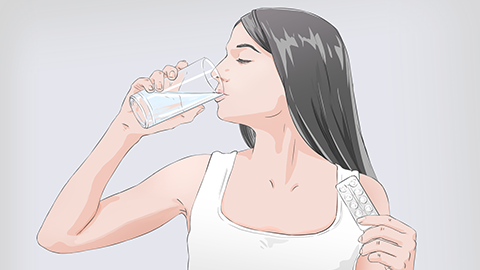
Patients with hip arthritis should also pay special attention to prognosis and recovery. They should get adequate sun exposure, avoid dampness, stay warm, ensure sufficient rest, and allow the hip joint to recover properly. Avoid intense physical activities, and minimize running, bending over, and climbing stairs. Spend time breathing fresh outdoor air and maintain a positive, optimistic outlook on life. We hope this information is helpful. Wishing you good health and happiness.