


Why do pregnant women experience foot swelling?
Dec 29, 2022
Source: Cainiu Health

Dr. Mei Quan
Introduction
Most pregnant women experience swollen feet. Of course, the degree of swelling varies from person to person. In the vast majority of cases, foot edema during pregnancy is a physiological phenomenon, with swelling limited to the dorsum of the foot or ankles. The main cause is the enlarged uterus compressing the inferior vena cava, leading to fluid retention. Severe anemia during pregnancy is another major cause of edema, which requires iron supplementation for treatment.
Some pregnant women may experience unexplained foot swelling in daily life. Swollen feet can make walking difficult, thereby affecting the daily activities of expectant mothers. So why do pregnant women develop swollen feet?
Why Do Pregnant Women Experience Foot Swelling?
Most pregnant women experience some degree of foot swelling. Of course, the extent of swelling varies from person to person. For the vast majority of pregnant women, foot edema during pregnancy is a physiological phenomenon, usually limited to the top of the foot or ankles. The main cause is the enlarged uterus compressing the inferior vena cava, which impairs blood circulation in the lower limbs and leads to fluid retention and swelling. Severe anemia during pregnancy is another major contributing factor for edema, which requires iron supplementation for treatment. Pregnancy-induced hypertension should also be considered when edema occurs; in such cases, blood pressure is significantly elevated, and protein in the urine (proteinuria) is commonly detected in routine urinalysis.
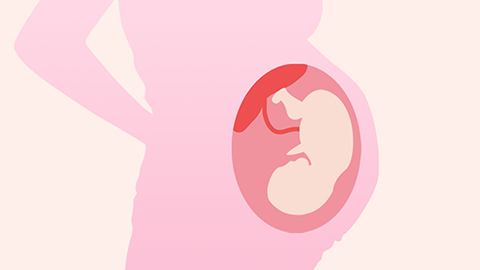
Pregnant women should pay attention to their diet when experiencing foot swelling. It's important to control salt intake in daily meals—generally no more than 6 grams per day—and opt for low-sodium foods whenever possible. Avoid high-salt foods such as pickled or preserved items. Increase consumption of protein-rich foods like milk and eggs to prevent edema caused by malnutrition. Adequate rest is essential. Light walking is beneficial after swelling occurs, but avoid walking long distances to prevent worsening symptoms. Prolonged sitting should be avoided, as it may exacerbate swelling. Instead, alternate between standing and sitting. If sitting for extended periods, change positions frequently to promote circulation.

Expectant mothers should focus on proper nutritional supplementation during pregnancy to support both their own health and the healthy development of the fetus. We hope this information has been helpful. Wishing you good health and a happy life!






