


Normal blood pressure values for the elderly
Dec 29, 2022
Source: Cainiu Health

Dr. Li Man
Introduction
In healthy individuals, systolic blood pressure generally does not exceed 142 mmHg, and diastolic pressure does not exceed 62 mmHg. In elderly people, due to reduced vascular elasticity, the blood pressure against vessel walls also decreases, so systolic pressure usually remains below 152 to 162 mmHg. Generally, a systolic pressure between 92 and 132 mmHg and a diastolic pressure around 82 mmHg are considered acceptable. When blood pressure is too high, appropriate antihypertensive medication should be taken.
In daily life, many people enjoy having regular health checkups to monitor their well-being. Some individuals receive blood pressure readings on their examination reports. So, what is the normal blood pressure range for older adults?
Normal Blood Pressure for Older Adults
For healthy individuals, normal blood pressure typically has a systolic pressure not exceeding 142 mmHg and a diastolic pressure not exceeding 92 mmHg. Due to reduced vascular elasticity in older adults, the pressure exerted by blood on blood vessel walls also changes, with systolic pressure generally not exceeding 152–162 mmHg. Generally speaking, a systolic pressure between 90–139 mmHg and a diastolic pressure around 80 mmHg is considered acceptable. If blood pressure is too high, antihypertensive medications should be taken as needed. It's also important to engage in moderate physical activity regularly and consume plenty of fruits and vegetables to ensure adequate vitamin intake.

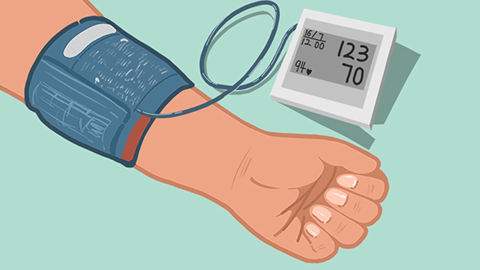
There are five main factors influencing arterial blood pressure: cardiac output, peripheral resistance, heart rate, elasticity of the aorta and arterial walls, and circulating blood volume relative to vascular capacity. In healthy individuals at rest, the normal blood pressure range is: systolic pressure 90–140 mmHg, diastolic pressure 60–90 mmHg, and pulse pressure 30–40 mmHg. Blood pressure is an essential indicator for assessing heart function and peripheral vascular resistance, diagnosing diseases, monitoring disease progression, and evaluating treatment effectiveness.
It's important to focus on self-care in daily life, strengthen your body's resistance and immunity, maintain balanced nutrition, pay attention to diet, and avoid illness. If any abnormalities occur, seek medical evaluation and treatment promptly. We hope this information is helpful to you. Wishing you good health and happiness!






