


Do elderly people all have a lot of phlegm?
Dec 08, 2025
Source: Cainiu Health

Dr. Ren Yi
Introduction
Not all elderly people produce excessive phlegm. Older adults who are in good health and have no underlying respiratory diseases generally maintain normal respiratory function and do not frequently experience excessive phlegm. If seniors maintain healthy lifestyle habits, such as keeping warm and engaging in moderate exercise, they can reduce irritation to the respiratory tract and further lower the likelihood of excessive phlegm. Therefore, excessive phlegm is not a common characteristic of aging.
Generally speaking, not all elderly individuals produce excessive phlegm. Increased phlegm is usually related to age-related physiological changes or underlying diseases. Healthy older adults typically do not experience significant phlegm production. If concerned, it is advisable to observe the individual's overall condition. Detailed analysis is as follows:
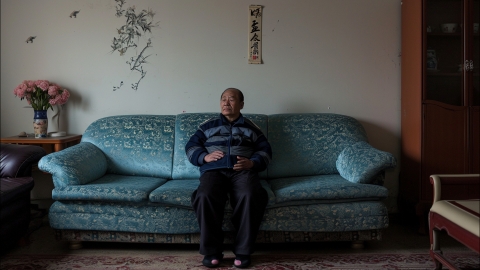
With advancing age, elderly people may experience atrophy of the respiratory mucosa and reduced ciliary movement, leading to decreased ability to expel phlegm. As a result, even mild cold exposure or minor infections can easily lead to increased phlegm. In addition, chronic respiratory conditions such as chronic bronchitis and pneumonia can also cause excessive mucus secretion, which are common causes of increased phlegm in older adults.
Elderly individuals who are in good health and without pre-existing respiratory conditions generally maintain adequate respiratory function and do not frequently suffer from excessive phlegm. Those with healthy lifestyles—including proper warmth retention and moderate exercise—can reduce respiratory tract irritation and further lower the likelihood of phlegm overproduction. Therefore, excessive phlegm is not a universal characteristic of aging.
It is important to monitor the respiratory health of older adults. If persistent phlegm production or coughing occurs, potential underlying medical conditions should be promptly evaluated. When excessive phlegm affects daily life, professional medical advice should be sought for appropriate management and treatment.



