Can kyphosis cause difficulty in breathing?
Jan 04, 2023
Source: Cainiu Health

Dr. Chen Jian
Introduction
Patients with mild kyphosis may not exhibit obvious deformity of the thoracic cage or significant reduction in thoracic volume, so breathing difficulties usually do not occur directly. However, this does not mean that mild kyphosis is harmless—it may still affect a patient's posture and appearance, and could potentially worsen over time. In patients with severe kyphosis, the deformation of the thoracic cage and reduction in thoracic volume may already be quite pronounced.
If kyphosis is mild, it usually does not directly cause difficulty in breathing; however, severe kyphosis may affect respiration and lead to breathing difficulties. The analysis is as follows:
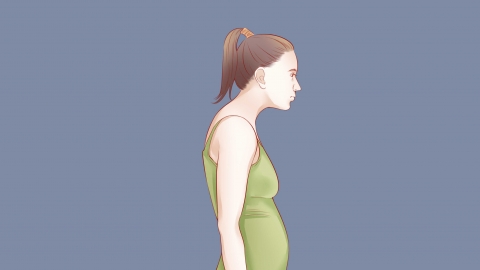
In patients with mild kyphosis, deformation of the thoracic cage and reduction in thoracic cavity volume may not be significant, so breathing difficulties are typically not directly caused. However, this does not mean that mild kyphosis is harmless—it may still affect a patient's posture and overall appearance, and could potentially worsen over time. Patients can use posture correctors, which may help correct kyphosis to some extent.
In patients with severe kyphosis, deformation of the thoracic cage and reduced thoracic volume may already be quite pronounced, causing direct compression and interference with heart and lung function. The heart and lungs cannot fully expand during respiration and blood circulation, severely affecting gas exchange and blood supply, thereby leading to symptoms of breathlessness. In addition, severe kyphosis may trigger other complications such as cervical spondylosis and lumbar disc herniation, which could also negatively impact breathing.
Patients should maintain a balanced diet, increase intake of calcium-rich foods such as milk and eggs, avoid strenuous physical labor, rest in bed as much as possible, and pay attention to maintaining good posture to prevent不良 postures.