


What are the risks of washing hair when you have a fever?
Jan 12, 2023
Source: Cainiu Health

Dr. Guo Xiheng
Introduction
Washing your hair during a fever generally does not cause serious harm, but if the water temperature is too low or you fail to dry your hair promptly afterward, it may very likely worsen your symptoms. It's important to note that you should stay warm after washing your hair or taking a bath and avoid getting chilled. During a fever, proper daily care is essential; indoor environments should maintain an appropriate temperature and humidity level.
Fever refers to an elevated body temperature. Generally, washing your hair during a fever does not cause significant harm, but if the water is too cold or the hair is not dried promptly afterward, it may very likely worsen symptoms. The analysis is as follows:
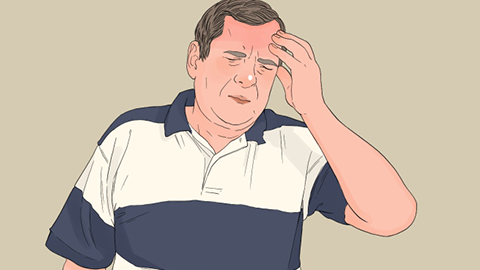
Fever is commonly caused by inflammation due to viral, bacterial, or other pathogenic infections. If body temperature is below 38.5℃, it is considered a low-grade fever, and in such cases, washing hair is acceptable. It's best to use warm water, as this can promote blood circulation and aid in heat dissipation. After washing, it’s essential to dry the hair immediately with a towel and use a hairdryer to prevent catching a chill. Even for patients with higher fevers, washing hair may help lower body temperature.
Washing hair itself does not typically lead to discomfort; however, failing to dry the hair promptly after washing may increase the risk of catching a cold, thereby worsening symptoms. When washing hair during a fever, take care to avoid water that is too cold, as this may cause blood vessels in the head to constrict, impairing heat dissipation. Water that is excessively hot should also be avoided, as it could further elevate body temperature.
After washing hair or taking a bath, it's important to stay warm and avoid exposure to cold. During a fever, proper daily care is crucial—maintain a comfortable room temperature and humidity level. In terms of diet, consume light, easily digestible foods, avoid greasy and spicy foods, and drink plenty of plain water to maintain adequate hydration.








