


What causes fever immediately after washing hair?
Jan 15, 2023
Source: Cainiu Health

Dr. Yang Ziqi
Introduction
Feeling feverish after washing your hair may be caused by factors such as water temperature being too high, environmental conditions, prolonged shampooing duration, colds, seborrheic dermatitis, etc., and improvements can be made according to specific situations. It is recommended to promptly visit a hospital for medical evaluation and receive treatment under the guidance of a doctor. Relevant examinations should be completed as early as possible to identify the underlying cause and initiate timely treatment. During the illness, patients should get plenty of bed rest.
Fever refers to an elevated body temperature. Feeling feverish after washing your hair could be caused by factors such as water that is too hot, environmental conditions, prolonged shampooing time, colds, seborrheic dermatitis, and others. Improvements can be made according to the specific cause. It is recommended to seek timely medical attention and receive treatment under a doctor's guidance.
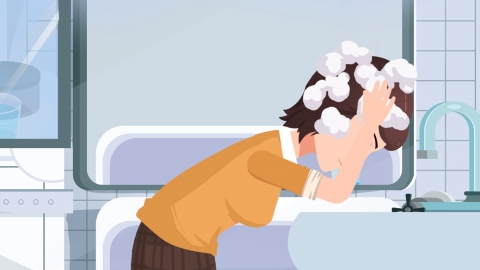
1. Water Temperature Too High
If the water used for washing hair is too hot, it may cause blood vessels in the head to dilate and increase blood flow, accelerating heat dissipation and leading to a rise in body temperature, resulting in a sensation of fever. Improvement method: Adjust the water temperature to lukewarm levels—ideally between 37–40°C—which feels comfortable on the skin.
2. Environmental Factors
Washing hair in a high-temperature environment with poor ventilation makes it difficult for the body to dissipate naturally generated heat. Additional heat produced during physical activity while washing hair accumulates in such enclosed, hot environments, making one feel feverish. Ensure good ventilation during hair washing by opening windows or using exhaust fans.
3. Prolonged Hair Washing Time
Spending too much time washing hair accelerates metabolism. Extended physical activity generates more body heat, and increased blood circulation in the scalp—similar to what happens after exercise—can lead to a feeling of warmth after hair washing. Limit shampooing time to about 3–5 minutes and use gentle motions while washing.
4. Cold
Developing a fever shortly after washing hair might result from using water that is too cold or being exposed to low ambient temperatures during hair washing, which may trigger a cold and associated fever symptoms. Additionally, some individuals may not dry their hair promptly after washing and become susceptible to fever due to exposure to cold wind or chills. Under medical guidance, medications such as Antiviral Oral Liquid, Lianhua Qingwen Capsules, or Ganmaoling Granules may be used to relieve symptoms.
5. Seborrheic Dermatitis
Seborrheic dermatitis may be related to poor habits or infections, and the irritation from hair washing may worsen inflammatory reactions. Inflammation increases local blood circulation and prompts the body to release inflammatory substances, causing a sensation of heat. This condition is often accompanied by symptoms such as scalp itching, redness, swelling, and pain. Under medical supervision, topical treatments like Compound Dexamethasone Cream, Acetate Dexamethasone Cream, or Halometasone Cream may help alleviate discomfort.
It is advisable to get adequate rest, maintain warmth, and avoid triggers such as chilling, cold exposure, or pressure. Drink plenty of water and consume high-protein, high-vitamin, easily digestible foods, including fresh vegetables and fruits.








