What is hemifacial spasm, and can it be treated?
Jun 04, 2019
Source: Cainiu Health
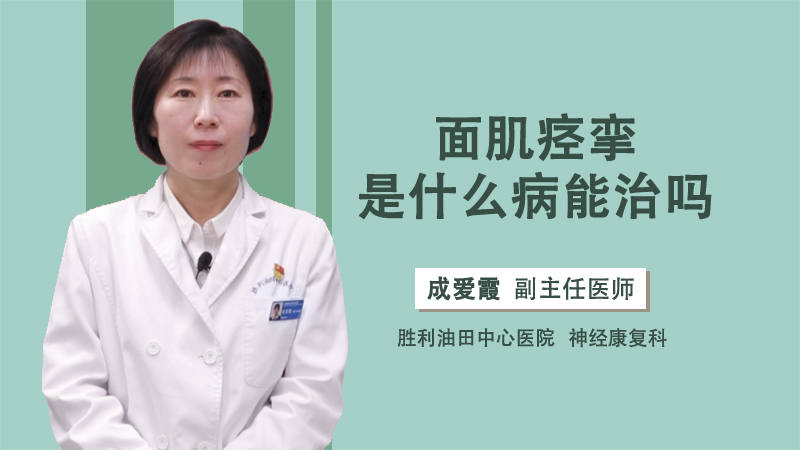
Dr. Cheng Aixia
Introduction
What is hemifacial spasm, and can it be treated?
Hemifacial spasm—also known as facial twitching—is characterized by involuntary, unilateral facial muscle contractions. These contractions occur paroxysmally and irregularly, varying in severity, and may worsen with fatigue, mental stress, or voluntary movement. Onset typically begins in the orbicularis oculi muscle and gradually spreads to involve the entire ipsilateral face. The condition most commonly occurs after middle age and is more prevalent in women.
Hemifacial spasm (HFS), also known as facial twitching, is characterized by involuntary, unilateral facial muscle contractions. These spasms occur paroxysmally and irregularly, varying in severity, and may worsen with fatigue, mental stress, or voluntary movement. Onset typically begins in the orbicularis oculi muscle and gradually spreads to involve the entire affected side of the face. HFS most commonly occurs in middle-aged and older adults, with a higher prevalence among women.
This condition significantly impairs patients’ facial expression and adversely affects rest, work performance, and social interactions. In early stages, pharmacotherapy is commonly employed; however, aside from antiepileptic drugs such as phenytoin or carbamazepine—which may offer modest benefit in mild cases—most central nervous system sedatives, inhibitors, and corticosteroids demonstrate no significant therapeutic efficacy.

Acupuncture is generally not recommended for hemifacial spasm, as the condition itself is highly sensitive to stimulation; acupuncture may even exacerbate symptoms in some patients. Although transient improvement may be observed immediately after treatment, recurrence often proves more severe. Furthermore, long-term use of anticonvulsants such as carbamazepine or phenytoin only provides symptomatic control and carries substantial adverse effects; thus, routine administration is not advised. Vitamin B1 and B12 supplementation may be attempted, though clinical benefits are minimal.

Botulinum toxin injection offers effective, albeit temporary, control of hemifacial spasm; a single injection typically provides symptom relief for six months to one year. In addition to its therapeutic effect, this minimally invasive, painless procedure also yields cosmetic benefits such as wrinkle reduction. It currently represents one of the most favorable treatment options. For severe cases or those unresponsive to medical therapy, microvascular decompression surgery remains a viable alternative.