Bulge still present after minimally invasive hernia surgery
Feb 21, 2023
Source: Cainiu Health
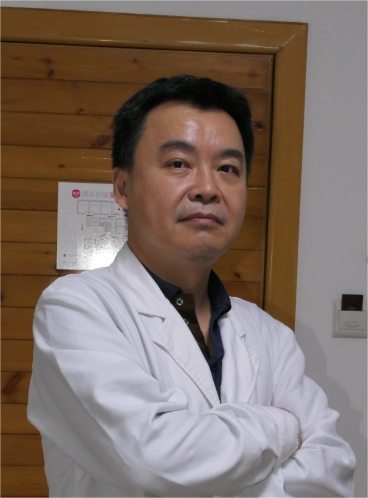
Dr. Li Qing
Introduction
Under normal circumstances, the presence of a bulge after minimally invasive hernia surgery may be caused by factors such as residual hernia sac tissue, infection, local hernia recurrence, inflammatory edema, or scar adhesions. In summary, if patients experience discomfort, they should seek timely medical attention at a hospital and receive treatment under the guidance of a physician. Self-medication should be avoided to prevent delays in proper diagnosis and management.
Under normal circumstances, the presence of a bulge after minimally invasive hernia surgery may be caused by factors such as residual hernia sac wall, infection, local hernia recurrence, inflammatory edema, or scar adhesions. The specific details are as follows:
1. Residual Hernia Sac Wall
This usually occurs when the minimally invasive surgery is not thoroughly performed, leaving behind part of the hernia sac wall, resulting in persistence of the bulge.
2. Infection
Even minimally invasive procedures involve incisions, which, although small, still carry some risk of infection. If an infection develops, fluid accumulation at the surgical site may occur, leading to a visible bulge. Antibiotics such as cefradine capsules or amoxicillin tablets may be taken under a doctor's guidance.
3. Local Hernia Recurrence
Even after minimally invasive surgery, there remains a possibility of local hernia recurrence, which may require a second operation. However, the second surgery—whether open or minimally invasive—is significantly more challenging, as the initial procedure creates space between tissue layers and may lead to postoperative adhesions.
4. Inflammatory Edema
This typically results from poor local hygiene after minimally invasive hernia surgery, leading to infection and subsequent swelling, thus causing the bulge to persist.
5. Scar Adhesions
The bulge may also form due to adhesion between scar tissue and the surrounding skin or mucosal tissues, creating a raised area and preventing resolution of the post-surgical lump.
In summary, patients experiencing discomfort should seek timely medical evaluation and treatment under professional guidance. Self-medication should be avoided to prevent delays in proper diagnosis and management.