What causes foot pain after running?
Mar 25, 2023
Source: Cainiu Health

Dr. Liu Wan
Introduction
Foot pain after running may be caused by incorrect posture, improper footwear, excessive exercise, plantar fasciitis, heel spurs, or other reasons, and treatment should be based on the specific condition. It is recommended to visit a hospital promptly and follow medical advice for treatment. Adjust your running posture by adopting proper running techniques and maintaining stable body center of gravity to reduce unnecessary movement.
Foot pain after running may be caused by incorrect posture, ill-fitting shoes, excessive exercise, plantar fasciitis, heel spurs, or other reasons. Appropriate measures can be taken based on the specific situation. It is recommended to visit a hospital as soon as possible and follow medical advice for treatment.
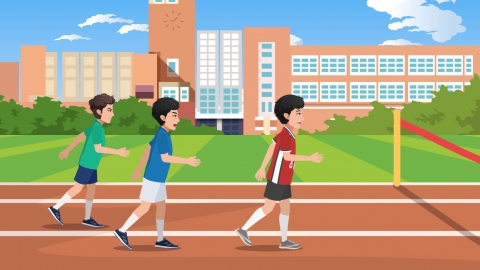
1. Incorrect posture: Poor foot-striking techniques during running, such as excessive inward or outward rotation, or landing flat-footed, can increase pressure and friction on the sole, leading to pain. It is recommended to adjust your running posture, adopt proper running techniques, and maintain stable body center of gravity to reduce unnecessary movement.
2. Ill-fitting shoes: Shoes that are too large or too small, or have soles that are too hard or too soft, cannot provide adequate support and cushioning for the feet, making foot pain more likely. Choose appropriate running shoes with the right size, and opt for soles with good cushioning and support to reduce impact on the soles of the feet during running.
3. Excessive exercise: Suddenly increasing running distance or duration may over-fatigue muscles, fascia, and other tissues in the sole, causing pain. Running volume should be increased gradually, allowing sufficient time for the body to adapt and avoiding overtraining. When pain occurs, reduce physical activity appropriately and allow time for rest and recovery.
4. Plantar fasciitis: Prolonged activities like running may repeatedly strain the plantar fascia, leading to plantar fasciitis and resulting in foot pain—especially noticeable when getting up in the morning or after long periods of rest. Under a doctor's guidance, medications such as ibuprofen sustained-release capsules, diclofenac sodium sustained-release tablets, or celecoxib capsules may be used to relieve symptoms.
5. Heel spurs: Heel spurs result from bony growths on the calcaneus (heel bone). During running, these spurs can irritate surrounding tissues, causing foot pain. Patients may use medications such as Yunnan Baiyao plasters, Huoxue Zhitong plasters, or Xiaotong Tie plasters under medical supervision to alleviate discomfort.
In daily life, it is recommended to engage in appropriate physical activity according to individual conditions, develop healthy lifestyle habits, ensure sufficient sleep, avoid staying up late, and maintain a positive mood while avoiding negative emotions such as anxiety and irritability, all of which contribute to overall health.