Characteristics of Pathological Jaundice in Neonates
Oct 15, 2020
Source: Cainiu Health
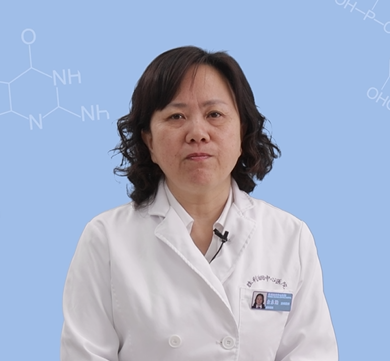
Dr. Yu Yongqin
Introduction
Characteristics of pathological jaundice in newborns:
1. Early onset: In cases of pathological jaundice, jaundice appears relatively early—typically within 24 hours after birth.
2. Rapid progression: Skin discoloration due to jaundice develops quickly.
3. Prolonged duration: Jaundice does not resolve spontaneously within a short period.
Pathological jaundice most commonly refers to neonatal pathological jaundice. Jaundice is more prevalent in newborns than at any other age, with etiologies that are unique and complex—ranging from physiological jaundice and pathological jaundice to breast milk–induced jaundice. These conditions require distinct diagnostic approaches and management strategies. If jaundice appears within 24 hours after birth, progresses rapidly, persists for an unusually long duration, or is accompanied by symptoms such as anemia, abnormal body temperature, poor feeding, vomiting, or abnormal stool or urine color, prompt medical evaluation is essential.

Characteristics of Neonatal Pathological Jaundice
1. Early Onset
In pathological jaundice, the onset of jaundice occurs early—typically within 24 hours after birth.
2. Rapid Progression
Following onset, parents may observe rapid yellow discoloration of the infant’s skin and other tissues due to elevated bilirubin levels.
3. Prolonged Duration
In full-term infants, jaundice typically resolves within two weeks; in pathological cases, however, it persists beyond this timeframe. In preterm infants, jaundice may persist for up to three weeks post-birth without resolution.
4. Tendency to Recur
A hallmark of pathological jaundice is its propensity for recurrence. Even after apparent improvement, jaundice may suddenly reappear—and often with greater severity than before.

Prevention of Pathological Jaundice
1. During pregnancy, maternal exposure to excessive heat and humidity may increase the newborn’s risk of developing jaundice. Pregnant women should therefore maintain a balanced diet—avoiding excessive consumption of cold foods while ensuring adequate nutrition. They should also abstain from alcohol and overly spicy or “heat-inducing” foods to protect spleen and stomach function.
2. After birth, closely monitor the infant’s sclera (whites of the eyes) for signs of jaundice. Early detection and timely intervention are critical. Additionally, track the progression or regression of jaundice over time.
3. Observe the infant for systemic manifestations—including lethargy, excessive sleepiness, difficulty suckling, seizures, strabismus, limb rigidity, or convulsions—to facilitate prompt identification and management of severe cases.
4. Maintain meticulous hygiene of the infant’s skin, umbilical stump, and diaper area to prevent trauma and infection.

The above outlines key features of neonatal pathological jaundice. We hope this information proves helpful.