


What should be done about the venous sinus?
Apr 11, 2023
Source: Cainiu Health
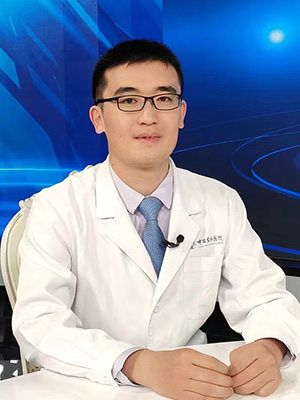
Dr. Zhang Jianbin
Introduction
Venous sinuses are dilated portions of veins and are normal anatomical structures in the human body. These expanded segments of veins, known as venous sinuses, help in the reabsorption of cerebrospinal fluid and blood, thereby maintaining bodily circulation. They play an important role in sustaining normal cardiac function. If a patient develops symptoms such as arrhythmia or hemiplegia, it may be due to abnormal dilation of the venous sinuses causing blood reflux.
The venous sinus is an expanded portion of a vein and is a normal human tissue.
The dilated segments within veins are known as venous sinuses, which help in the reabsorption of cerebrospinal fluid and blood, thus maintaining bodily circulation. They play an important role in preserving normal cardiac function. If a patient develops symptoms such as arrhythmia or hemiplegia, it may indicate abnormal dilation of the venous sinus leading to blood reflux. In such cases, patients should promptly seek medical evaluation at a qualified healthcare facility to determine the underlying cause of the venous sinus pathology and receive targeted treatment. Besides the heart, intracranial venous sinuses also exist, typically located at the jugular foramen at the skull base, the confluence of the subclavian vein, and posterior to the sternoclavicular joint. Common intracranial venous sinuses include the superior sagittal sinus, straight sinus, and sigmoid sinus. Additionally, venous sinuses have the ability to store and release blood, particularly during intense physical activity, helping maintain normal muscle function by regulating blood flow as muscle circulation increases.
It is recommended that individuals experiencing discomfort symptoms due to venous abnormalities seek timely medical attention to avoid disease progression.







