What should be done when an elderly person has high blood pressure?
Apr 18, 2023
Source: Cainiu Health

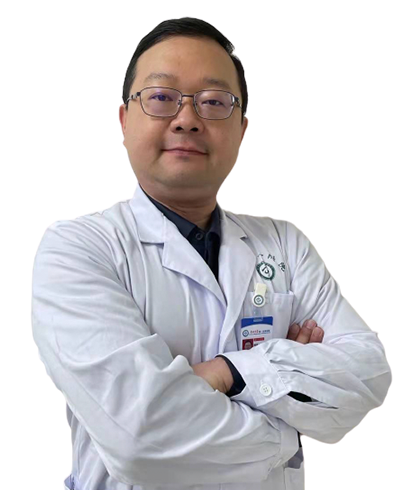
Dr. Tian Hongbo
Introduction
For elderly individuals with high blood pressure, dietary adjustments and general management should be selected according to the severity of symptoms. For more severe cases in which symptoms show little improvement after the above measures, it is recommended to follow medical advice and use antihypertensive medications such as furosemide tablets, hydrochlorothiazide tablets, or labetalol hydrochloride tablets. In addition, regular hospital follow-up visits are necessary during treatment to prevent recurrence of the condition.
For elderly individuals with high blood pressure, treatment should be carried out under a doctor's guidance, selecting appropriate approaches such as dietary adjustment, general lifestyle management, or medication based on the severity of symptoms. Specific methods are analyzed as follows:
1. Dietary Adjustment
Avoid consuming foods high in oil, fat, and salt. Increase intake of vitamin-rich fruits and vegetables, such as spinach, tomatoes, and strawberries. Maintaining a healthy weight can help prevent further worsening of symptoms to a certain extent.
2. General Treatment
Excessive mental stress is also one of the factors contributing to high blood pressure. Avoiding significant emotional fluctuations, taking regular walks outdoors, and relaxing the mind can serve as supportive measures in managing hypertension in the elderly.
3. Medication
For more severe cases where symptoms do not significantly improve after the above interventions, antihypertensive medications such as furosemide tablets, hydrochlorothiazide tablets, or labetalol hydrochloride tablets may be prescribed by a physician.
In addition, during treatment, it is important to schedule regular follow-up visits at the hospital to prevent recurrence or deterioration of the condition.