What Does a Depressive Episode Feel Like?
Nov 13, 2020
Source: Cainiu Health

Dr. Zhang Baohua
Introduction
The experience of a depressive episode varies from person to person, but commonly involves a range of negative, disheartened, and low-mood emotional states—such as persistent sadness, loss of interest or pleasure in activities, anxiety or tension, fatigue or lack of energy, and sleep disturbances. If diagnosed with depression, patients may be prescribed medications—including maprotiline hydrochloride tablets, clomipramine hydrochloride tablets, and amitriptyline hydrochloride tablets—under the guidance of a healthcare provider.
Feelings during a depressive episode vary from person to person, but commonly involve a constellation of negative, disheartened, and low-mood emotional experiences—such as persistent sadness, loss of interest or pleasure, anxiety and tension, fatigue and weakness, and sleep disturbances. A detailed breakdown follows:
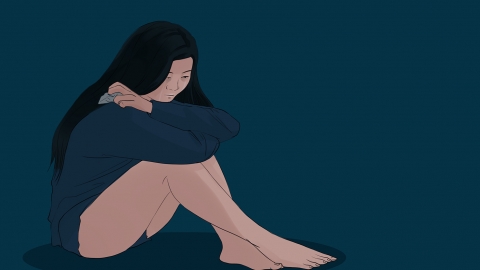
1. Depressed mood: This is a hallmark symptom of depression. Patients may experience prolonged feelings of sadness, emptiness, or hopelessness that are disproportionate to their current circumstances or life events.
2. Loss of interest or pleasure (anhedonia): Activities or hobbies once enjoyed may no longer evoke interest or enjoyment; patients may become indifferent toward daily routines and responsibilities.
3. Anxiety and tension: Anxiety symptoms—including excessive worry, nervousness, and restlessness—are frequently comorbid with depression and may intensify overall distress.
4. Fatigue and low energy: Patients may feel profoundly exhausted and physically drained—even without exertion—making even basic daily tasks difficult or overwhelming.
5. Sleep disturbances: Insomnia, early-morning awakening, or hypersomnia are common in depression; such disruptions can further impair mood regulation and daily functioning.
For individuals diagnosed with depression, pharmacotherapy—under medical supervision—may include medications such as maprotiline hydrochloride tablets, clomipramine hydrochloride tablets, or amitriptyline hydrochloride tablets. Additionally, adopting healthy lifestyle habits—such as avoiding strenuous physical activity and maintaining emotional stability—can support recovery.