


Why does bowel movement become smoother after drinking red wine, and what should I do?
Jun 05, 2023
Source: Cainiu Health

Dr. Shen Yonghua
Introduction
Alcohol in red wine has a certain relaxing effect, which can relax the intestines and anal sphincter, making it easier for stool to pass through the intestines, thus resulting in smoother bowel movements. No special treatment is required, but moderate alcohol consumption should be observed to avoid health risks associated with excessive drinking. The polyphenolic compounds in red wine can stimulate intestinal motility and activity, promoting intestinal emptying.
Having smooth bowel movements after drinking red wine may be related to factors such as the relaxing effect of alcohol, increased intestinal wall activity, higher fluid intake, intestinal flora imbalance, and gastroenteritis. It is recommended to drink in moderation; if discomfort occurs, follow medical advice for appropriate treatment. The analysis is as follows:
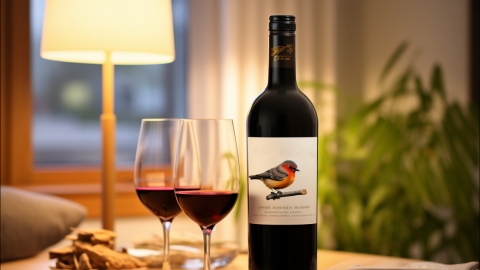
1. Relaxing effect of alcohol: The alcohol contained in red wine has a certain relaxing effect, which can relax the intestines and anal sphincter, allowing feces to pass through the intestines more easily, thus resulting in smoother bowel movements. No special treatment is required, but it is important to drink in moderation and avoid health risks associated with excessive alcohol consumption.
2. Increased intestinal wall activity: Polyphenolic compounds in red wine can stimulate intestinal motility and activity, promoting intestinal emptying and thereby facilitating defecation. No specific treatment is needed, and moderate consumption of red wine may help improve intestinal health. However, individuals with weak gastrointestinal function should consume red wine cautiously.
3. Increased fluid intake: Drinking moderate amounts of red wine increases overall fluid intake, helping soften stools and reduce the occurrence of constipation. Additionally, adequate hydration promotes intestinal motility, further improving bowel movements. It is recommended to drink sufficient water daily and consume foods rich in both moisture and dietary fiber.
4. Intestinal flora imbalance: Excessive consumption of red wine may irritate the intestines, leading to intestinal flora imbalance, which could result in smoother bowel movements. This condition might be accompanied by other symptoms such as abdominal pain or nausea. Avoid heavy drinking to minimize irritation and damage to the gastrointestinal tract. If necessary, follow a doctor’s instructions to take medications such as Bifidobacterium quadruple live bacteria tablets, lactase tablets, or live Bacillus licheniformis capsules.
5. Gastroenteritis: Alcohol in red wine may irritate the mucous lining of the stomach and intestines, triggering inflammation or worsening existing inflammatory symptoms. Due to this irritation, intestinal peristalsis may accelerate, leading to smoother bowel movements. Patients should take medications such as montmorillonite powder, norfloxacin capsules, or loperamide hydrochloride capsules as directed by a physician.
In daily life, it is advisable to limit alcohol consumption and maintain a healthy lifestyle to support both intestinal and overall health.


