


What are the side effects of Atractylodes (Bai Zhu)?
Oct 17, 2023
Source: Cainiu Health

Dr. Zhang Xiuhong
Introduction
In general, the side effects of Atractylodes (Bai Zhu) may include heatiness, yin deficiency, constipation, qi stagnation, and blood stasis. Patients are advised to follow medical instructions and receive treatment according to their specific conditions. Bai Zhu is a traditional Chinese medicine (TCM) prescription herb that should only be used after proper TCM diagnosis and pattern differentiation. Appropriate use of Chinese herbal medicine can minimize side effects; therefore, self-medication without guidance should be avoided to prevent adverse reactions or other serious consequences.
Generally, the side effects of Atractylodes (Bai Zhu) include heatiness, yin deficiency, constipation, qi stagnation, and blood stasis. If any discomfort occurs, it is recommended to seek medical attention promptly. Detailed analysis is as follows:
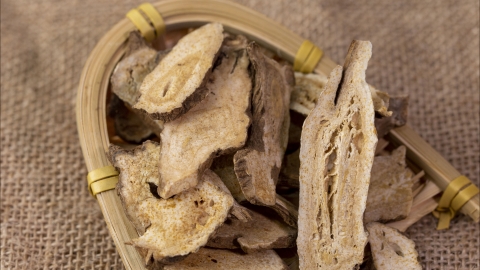
1. Heatiness
Atractylodes is a commonly used traditional Chinese herb suitable for patients whose constitution is neither cold nor cool. It is not recommended for long-term use. Moreover, processed (fried) Atractylodes has stronger thermal properties and should be consumed in reduced amounts. Prolonged use of this warming herb may easily promote internal heat, leading to excessive fire in the body.
2. Yin Deficiency
Atractylodes functions to dry dampness and promote urination. If a patient already suffers from depletion or deficiency of body fluids, the warm and drying nature of Atractylodes may further deplete the body's yin fluids, thereby potentially causing yin deficiency and harming health. Symptoms of yin deficiency include tidal fever, night sweats, heat in the five centers (palms, soles, and chest), red tongue with little coating, etc.
3. Constipation
Atractylodes mainly works by strengthening the spleen and drying dampness. As a tonic herb with nourishing properties, excessive intake may lead to over-tonification, resulting in excess internal qi and subsequent constipation. Additionally, excessive drying action may reduce intestinal fluids, leading to dry and hard stools.
4. Qi Stagnation
Atractylodes primarily promotes the movement of spleen qi. When spleen qi becomes overly stimulated without corresponding regulation of other qi systems, qi stagnation may occur. Patients who already suffer from liver qi stagnation may experience worsened symptoms after taking Atractylodes, such as abdominal distension or even pain. Common manifestations of qi stagnation include fullness and distension in the chest and hypochondrium, epigastric bloating, belching, etc.
5. Blood Stasis
Inappropriate use of Atractylodes may lead to qi stagnation. When qi movement is impaired, blood circulation is also affected, which may subsequently result in blood stasis. Furthermore, the warm and drying nature of Atractylodes may consume fluid within the blood, increasing blood viscosity and contributing to the formation of blood stasis.
Atractylodes is a prescription herb in Traditional Chinese Medicine (TCM) and should only be used after proper TCM pattern differentiation by a qualified practitioner. Rational use of herbal medicine can minimize side effects. Self-medication without guidance should be avoided to prevent adverse reactions or other serious consequences.



