


Is milk a stomach-soothing food or a stomach-irritating food?
Oct 22, 2023
Source: Cainiu Health

Dr. Zhang Xiuhong
Introduction
The effect of milk on the stomach is not absolute—it can either soothe or irritate the stomach, depending mainly on an individual's physical condition and the way milk is consumed. For patients in good health with no organic diseases and no milk allergy, milk can serve as a stomach-soothing food. However, excessive consumption should be avoided in daily life to prevent increasing the burden on the gastrointestinal system.
Milk's effect on the stomach is not absolute—it can be either beneficial or harmful to gastric health, primarily depending on an individual's physical condition and the way it is consumed.
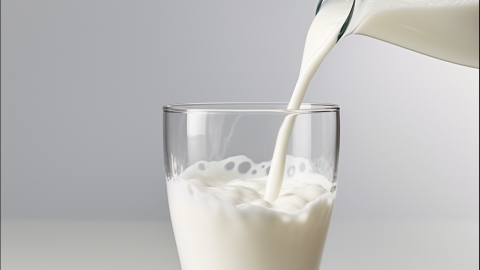
If a person is in good health, has no organic diseases, and is not allergic to milk, milk can serve as a stomach-soothing food. Milk contains abundant protein and nutrients that provide the body with essential energy and nourishment. Additionally, milk forms a protective film on the surface of the stomach, effectively shielding the gastric mucosa from damage caused by other irritating foods. For individuals with low gastric acid secretion, drinking a moderate amount of milk within half an hour after breakfast may help stimulate gastric acid production and aid digestion.
However, for patients with upper gastrointestinal disorders such as lack of pepsin, duodenal ulcers, reflux gastritis, gastric ulcers, erosive gastritis, atrophic gastritis, or those who are lactose intolerant, milk may become harmful to the stomach. In these cases, consuming milk might irritate the gastric mucosa and worsen the condition, leading to symptoms such as diarrhea, intestinal dysfunction, indigestion, and stomach pain. Particularly for patients with gastric ulcers, regularly drinking milk may trigger increased gastric acid secretion, thereby exacerbating their condition.
In daily life, excessive milk consumption should be avoided to prevent overburdening the gastrointestinal system. Individuals with poor gastrointestinal health are advised to warm milk before drinking to reduce the risk of intestinal disturbances.







