


Can atrial fibrillation heal on its own?
Nov 15, 2023
Source: Cainiu Health
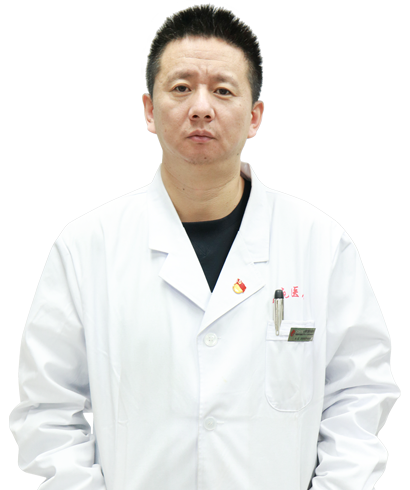
Dr. Wang Xin
Introduction
Atrial fibrillation can be classified into paroxysmal atrial fibrillation, persistent atrial fibrillation, and permanent atrial fibrillation. Generally, paroxysmal atrial fibrillation may resolve spontaneously, whereas persistent and permanent atrial fibrillation do not self-resolve. Patients are advised to receive symptomatic treatment as directed by their physician. Paroxysmal atrial fibrillation may often revert to sinus rhythm without pharmacological intervention.
Atrial fibrillation can be classified into paroxysmal atrial fibrillation, persistent atrial fibrillation, and permanent atrial fibrillation. Generally, paroxysmal atrial fibrillation may resolve spontaneously, whereas persistent and permanent atrial fibrillation cannot self-resolve. Patients are advised to follow medical guidance for symptomatic treatment. Specific analysis is as follows:
1. Can resolve spontaneously
Paroxysmal atrial fibrillation may revert to normal sinus rhythm without pharmacological intervention. Since sinus rhythm has minimal impact on the patient, paroxysmal atrial fibrillation can sometimes resolve spontaneously. Patients may follow medical advice to take medications such as ephedrine hydrochloride and diphenhydramine tablets, salbutamol sulfate tablets, or rivaroxaban tablets for treatment.
2. Cannot resolve spontaneously
Although paroxysmal atrial fibrillation may resolve spontaneously, most patients initially experience paroxysmal episodes. As the condition progresses, the frequency of episodes increases, eventually evolving into persistent or permanent atrial fibrillation. Some patients may restore sinus rhythm through antiarrhythmic drugs, electrical cardioversion, radiofrequency ablation, or similar interventions; however, recurrence remains possible. Patients may follow medical advice to use medications such as edoxaban tosylate tablets, dabigatran etexilate capsules, or apixaban tablets for treatment.
If patients experience any discomfort or symptoms, they should promptly seek medical attention at a hospital to avoid delays in diagnosis and treatment.





