


脑部做WhatExamination最好
Jan 02, 2024
Source: Cainiu Health
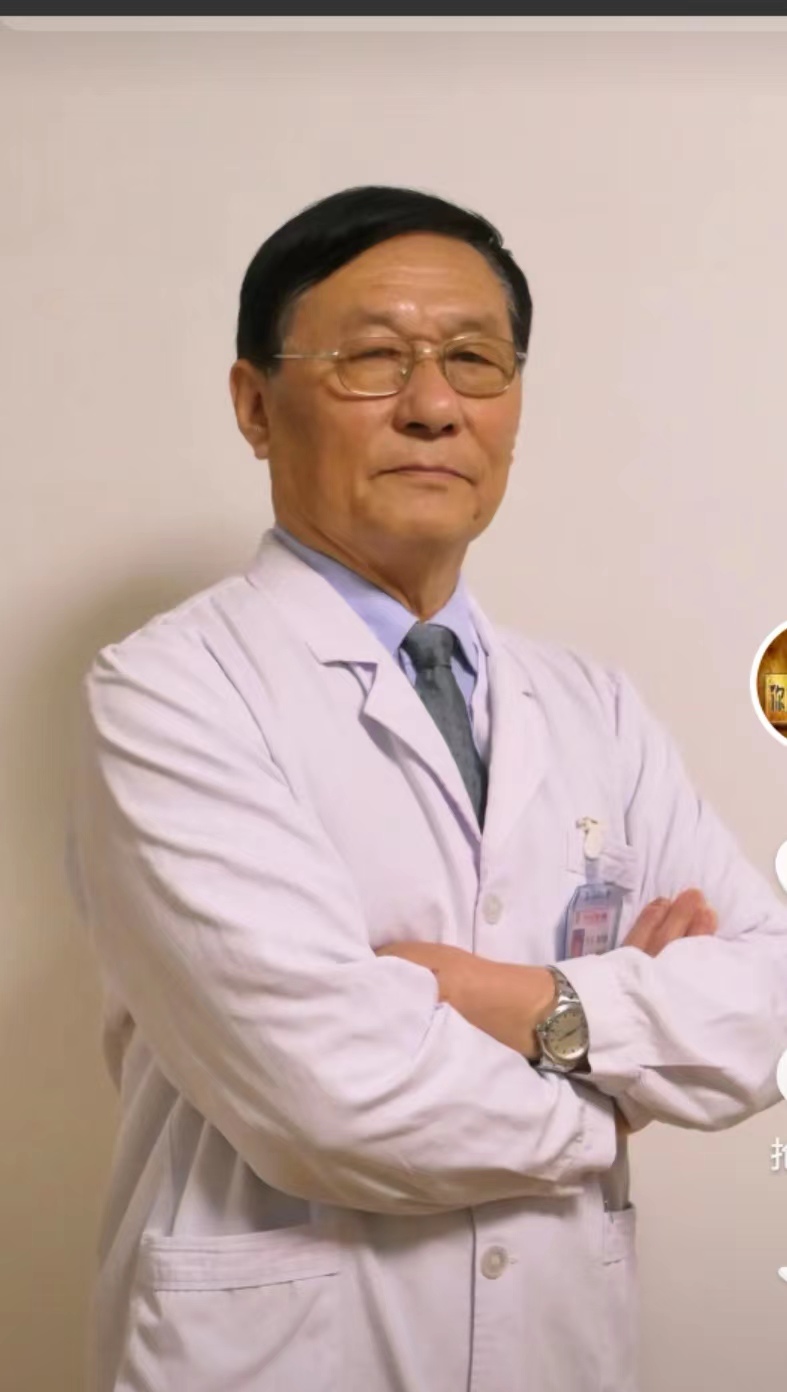
Dr. Huang Shichang
Introduction
一般情况下,没有脑部做WhatExamination最好的说法,脑部做脑部CT扫描、磁共振成像、脑电图、脑脊液Examination、脑血管造影等Examination比较好。Patient在Examination前三天尽量不要服用导致神经兴奋的Medicine和镇静药,这样才能避免影响Examination的结果。
Generally speaking, there is no single best test for evaluating the brain. Commonly recommended examinations include brain CT scan, magnetic resonance imaging (MRI), electroencephalogram (EEG), cerebrospinal fluid analysis, and cerebral angiography. If you experience any brain-related symptoms or discomfort, it is advisable to seek medical attention at a hospital promptly to avoid delays in diagnosis and treatment. Detailed explanations are as follows:
1. Brain CT Scan
A brain CT scan clearly displays the anatomical structures of the brain and is highly effective in diagnosing acute cerebrovascular events, intracranial hemorrhage, brain tumors, and similar conditions.
2. Magnetic Resonance Imaging (MRI)
MRI provides higher resolution for detecting brain tumors, cerebrovascular diseases, brain inflammation, and related conditions, enabling doctors to make more accurate diagnoses.
3. Electroencephalogram (EEG)
An EEG measures electrical activity in the brain and is helpful in diagnosing epilepsy, sleep disorders, and disturbances of consciousness.
4. Cerebrospinal Fluid Analysis
This test involves collecting cerebrospinal fluid via lumbar puncture to analyze levels of cells, proteins, glucose, and other markers. It plays a crucial role in diagnosing inflammatory conditions such as meningitis and encephalitis.
5. Cerebral Angiography
Cerebral angiography uses a contrast agent injected into the bloodstream to visualize the brain's blood vessels. It offers high diagnostic accuracy for cerebrovascular diseases, aneurysms, and related conditions.
Patients should avoid taking medications that affect nervous system activity—such as stimulants or sedatives—for at least three days prior to testing, to prevent interference with test results.







