


11 Conditions That Can Be Treated by Stretching
Jan 24, 2024
Source: Cainiu Health
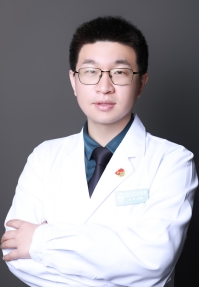
Dr. Xu Shuai
Introduction
In general, stretching is a common form of exercise that offers various health benefits, but it cannot cure the 11 mentioned conditions. Stretching may help alleviate symptoms associated with certain disorders, including muscle strains, tendonitis, frozen shoulder, arthritis, and cervical spondylosis. In daily life, consuming more protein-rich foods such as eggs, milk, and chicken can effectively enhance immunity.
Generally speaking, stretching is a common form of exercise that offers various health benefits, but it cannot cure the 11 conditions mentioned. Stretching may help alleviate symptoms associated with certain medical conditions, including muscle strain, tenosynovitis, shoulder periarthritis, arthritis, and cervical spondylosis. If discomfort occurs, it is recommended to seek medical attention promptly. Detailed explanations are as follows:
1. Muscle Strain
Muscle strain may result from sudden pulling force or excessive stretching of muscles. Stretching can help relax tense muscles, improve blood circulation, allow proper extension of muscle tissue, restore muscle elasticity and function, and relieve symptoms such as muscle soreness and bruising.
2. Tenosynovitis
Tenosynovitis is often caused by overuse of fingers and wrist joints. Stretching can increase tendon flexibility, reduce tendon pain and movement limitations caused by tenosynovitis, and promote recovery.
3. Shoulder Periarthritis
Shoulder periarthritis may be caused by long-term inactivity or exposure to cold during weather changes. Stretching can enhance shoulder joint flexibility, improve the suppleness of shoulder muscles, reduce stress on the shoulder joint, and alleviate symptoms such as shoulder pain and stiffness.
4. Arthritis
Arthritis may be caused by chronic wear and tear. Stretching can promote blood circulation, increase blood supply around the joints, facilitate the removal of metabolic waste products, and reduce symptoms such as joint swelling and deformity.
5. Cervical Spondylosis
Cervical spondylosis is usually caused by long-term cervical spine strain and is often related to poor neck posture and cervical instability. Stretching can help correct neck posture and stability, improve balance in neck muscles, relieve pressure on the cervical spine, and reduce episodes of cervical spondylosis.
In daily life, consuming more protein-rich foods such as eggs, milk, and chicken may help boost immune function and protect the body from disease.





