


What causes dull pain between the clavicle and chest, and what should be done about it?
Mar 30, 2024
Source: Cainiu Health

Dr. Yang Ziqi
Introduction
Dull pain between the clavicle and chest may be caused by heavy physical labor, poor posture, soft tissue injury, costochondritis, pleurisy, etc., and can be improved according to specific conditions. It is recommended to seek timely medical attention at a hospital and receive treatment under the guidance of a doctor. In daily life, one should ensure adequate rest, sufficient sleep, and avoid staying up late.
Dull pain between the clavicle and chest may be caused by heavy physical labor, poor posture, soft tissue injury, costochondritis, pleurisy, and other conditions. Improvements can be made according to the specific cause. It is recommended to seek timely medical attention at a hospital and receive treatment under the guidance of a physician.
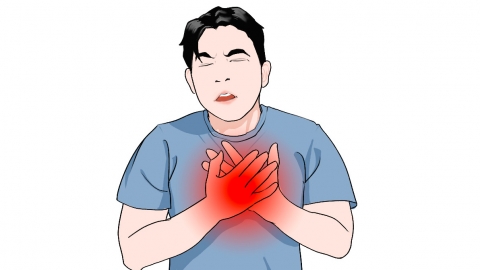
1. Heavy Physical Labor
If one engages in heavy physical labor over a long period, muscles may remain in a tense state, leading to discomfort such as soreness and pain, resulting in the aforementioned symptoms. Adequate rest should be taken and excessive fatigue avoided; symptoms usually gradually improve.
2. Poor Posture
Maintaining poor posture for extended periods—such as looking down at a phone, slouching, or working at a desk for long hours—can keep the chest and shoulder muscles in a constant state of tension. This persistent strain may lead to muscle fatigue and cause dull pain between the clavicle and chest. Correcting poor posture by maintaining an upright position with chest out and head up is recommended. Get up and move around periodically, stretching the upper limbs and chest muscles to relieve muscle tension.
3. Soft Tissue Injury
If the local area suffers external impact, it may result in soft tissue damage, causing redness, swelling, and pain. Applying an ice pack for cold compression can help constrict capillaries and reduce discomfort.
4. Costochondritis
This condition may be caused by viral infections, overuse, or other factors, leading to pain in the rib area, possibly accompanied by rib swelling and elevated body temperature. Patients may take medications such as amoxicillin capsules, penicillin V potassium tablets, or ibuprofen sustained-release capsules as directed by a physician to alleviate symptoms.
5. Pleurisy
Pleurisy may be associated with chest trauma, tuberculosis infection, or other factors, potentially causing symptoms such as chest pain and tightness, along with the aforementioned discomfort. Under medical supervision, patients may use medications such as metronidazole tablets, aspirin tablets, or tinidazole tablets for treatment.
In daily life, it is important to get sufficient rest, ensure adequate sleep, avoid staying up late, and engage moderately in outdoor activities such as walking or jogging, which may aid in recovery.







