


How to quickly hydrate dry skin
Apr 03, 2024
Source: Cainiu Health
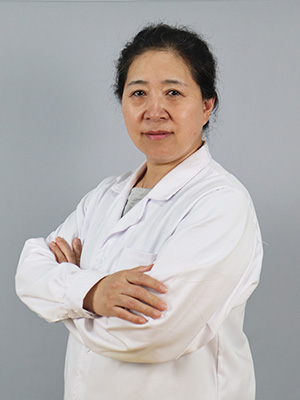
Dr. Wang Xiaoyan
Introduction
Generally speaking, there is no such thing as the fastest way to rehydrate dry skin. Dry skin refers to a lack of moisture in the skin and may be caused by various factors such as environmental conditions, improper skincare, vitamin deficiencies, ichthyosis, or diabetes. It is recommended to seek medical attention promptly and, under a doctor's guidance, adopt appropriate measures such as general care and medication to restore skin hydration.
In general, there is no such thing as the quickest way to rehydrate dry skin. Dry skin refers to a lack of moisture in the skin and may be caused by environmental factors, improper skincare, vitamin deficiencies, ichthyosis, diabetes, and other factors. It is recommended to seek medical attention promptly and follow a doctor's guidance for hydration through general treatments, medications, or other methods. Specific analyses are as follows:
1. Environmental Factors
Large temperature differences between indoor and outdoor environments, dry air, and ultraviolet (UV) exposure can accelerate moisture loss from the skin and reduce sebum secretion, leading to dry skin. It is advisable to maintain moderate indoor humidity and avoid prolonged exposure to dry conditions or strong UV radiation. Using skincare products with good moisturizing properties can also help alleviate symptoms.
2. Improper Skincare
Excessive cleansing, using harsh alkaline detergents or skincare products, and bathing with excessively hot water can damage the skin’s protective lipid barrier, resulting in increased moisture loss and causing the skin to become dry and rough. It is recommended to choose gentle bathing and skincare products, avoid over-cleansing, and refrain from using very hot water when bathing to help relieve discomfort.
3. Vitamin Deficiency
Vitamins A and E are essential for healthy skin, helping maintain normal skin metabolism and hydration. When these vitamins are deficient in the body, the skin may become dry and rough, and even develop scaling or excessive keratinization. Regularly consuming foods rich in vitamins A and E—such as eggs, milk, and lettuce leaves—can help improve symptoms.
4. Ichthyosis
Ichthyosis is a genetic skin disorder characterized by abnormal keratinization, primarily presenting as dry, rough skin accompanied by fish-scale-like flaking. This condition results from abnormal keratinization of the stratum corneum, which impairs the skin’s barrier function and increases water loss. Under a doctor’s supervision, topical or oral medications such as tretinoin cream, calcipotriol ointment, or isotretinoin soft capsules may be used for treatment.
5. Diabetes
Patients with diabetes often have high blood glucose levels, which can lead to microcirculatory disorders in the skin, impairing normal nutrient delivery and moisture retention. This may result in symptoms such as dryness, itching, and increased risk of infection. Following a doctor’s instructions, medications such as insulin glargine injection, insulin aspart injection, or insulin degludec injection may be used to help control blood sugar and alleviate skin symptoms.
Maintaining good daily habits and proper skin hygiene can contribute significantly to overall skin health.




