


What causes body aches and eye pain, and what should I do about it?
Apr 29, 2024
Source: Cainiu Health

Dr. Wang Shuai
Introduction
In general, body aches and eye pain may be caused by insufficient rest, cold exposure, viral influenza, hyperkalemia, rheumatoid arthritis, etc. Appropriate measures should be taken according to the specific condition. When these symptoms occur, it is recommended to seek timely medical evaluation and treatment. Meanwhile, maintaining a light diet, drinking plenty of water, and engaging in moderate exercise can help regulate overall physical health.
Generally, body aches and eye pain may be caused by lack of rest, exposure to cold, viral flu, hyperkalemia, rheumatoid arthritis, etc., and appropriate measures should be taken based on specific conditions. It is recommended to seek medical attention promptly, identify the underlying cause, and receive symptomatic treatment under the guidance of a qualified physician.
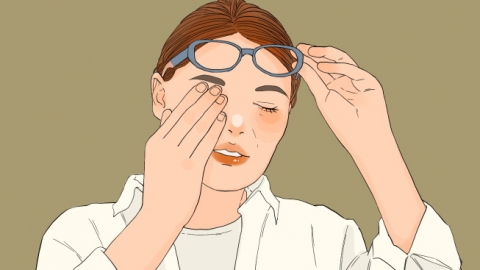
1. Lack of rest: Long-term sleep deprivation or inadequate rest can leave the body in a state of fatigue, making muscles prone to soreness. The eyes may also feel painful and tired due to insufficient rest, especially after prolonged screen time or excessive use. It is recommended to maintain a regular sleep schedule, going to bed early and waking up early.
2. Exposure to cold: Prolonged exposure to cold environments or sudden chilling may cause muscle tension and general discomfort, and could also lead to eye discomfort. Wearing additional clothing appropriately can help keep the body warm.
3. Viral flu: Viral influenza commonly causes systemic symptoms such as general malaise, muscle aches, and fatigue. The eyes may also experience pain, dryness, and other discomforts due to viral infection. Patients may take antiviral oral liquids, Lianhua Qingwen capsules, ibuprofen tablets, or similar medications as advised by a doctor to relieve symptoms.
4. Hyperkalemia: Hyperkalemia refers to abnormally elevated potassium ion levels in the blood. Besides symptoms such as palpitations and vomiting, this condition may also cause generalized fatigue and muscle pain. Eye discomfort may occur as well. It is recommended to follow medical advice and use medications such as furosemide tablets, bumetanide tablets, or glucose-sodium chloride injection to manage the condition.
5. Rheumatoid arthritis: Rheumatoid arthritis is an autoimmune disease that causes joint inflammation, leading to joint pain and muscle soreness. This condition may also cause eye pain, along with complications such as dryness and conjunctival congestion. Patients may take hydroxychloroquine sulfate tablets, hydrocortisone tablets, azathioprine tablets, or other medications under a doctor’s supervision for treatment.
During recovery, maintain a light diet, drink plenty of water, and engage in moderate exercise according to your recovery progress to help restore overall health.





