


Can depression go away on its own by sleeping?
Apr 29, 2024
Source: Cainiu Health

Dr. Lv Zhiqin
Introduction
In general, if a patient with depression has mild symptoms, they usually fall asleep on their own; however, if the condition is severe, they may not be able to fall asleep spontaneously. If depression occurs, it is recommended to seek medical treatment promptly. When a patient with depression experiences sleep disturbances, medications such as maprotiline hydrochloride tablets, clomipramine hydrochloride tablets, or amitriptyline hydrochloride tablets may be used under medical guidance.
In general, if a patient's depression is mild, they can usually fall asleep on their own; however, if the condition is severe, they may not be able to fall asleep independently. If symptoms of depression occur, it is recommended to seek medical treatment promptly. The detailed analysis is as follows:
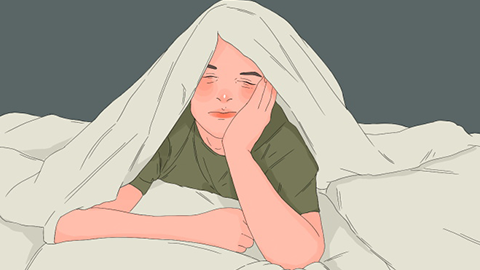
Depression is a common mental health disorder, and patients' sleep quality is often affected by the severity of their condition. In mild cases, individuals with depression are typically able to fall asleep naturally. At this stage, the patient experiences relatively low psychological stress, has clearer thinking, and does not suffer from excessive anxiety or tension. Under these circumstances, patients may gradually improve their sleep quality through self-regulation, relaxation techniques, and maintaining a regular sleep schedule, thereby achieving natural sleep onset.
When depression becomes more severe, patients may experience significant difficulty falling asleep. This is because individuals with depression often experience negative emotions such as anxiety, self-blame, and hopelessness, which keep the brain in a state of high activity, making it difficult to enter deep sleep. Additionally, severe depression may lead to physiological issues such as circadian rhythm disruption and hormonal imbalances, further impairing sleep quality.
For depression patients experiencing sleep disturbances, medications such as maprotiline hydrochloride tablets, clomipramine hydrochloride tablets, or amitriptyline hydrochloride tablets may be used under medical supervision. It is also important to maintain a regular daily routine and incorporate stress-reducing practices like yoga and meditation into daily life to improve overall sleep quality.


