How to supplement collagen for sagging skin
Aug 31, 2024
Source: Cainiu Health

Dr. Liu Wenmin
Introduction
In general, skin laxity is caused by a reduction in collagen and elastic fibers. It may result from aging, dry skin, chronic sleep deprivation, malnutrition, or conditions such as cutis laxa. Supplementing collagen can help restore skin elasticity and firmness. Treatments such as hyaluronic acid injections, collagen injections, Thermage, fractional laser therapy, and thread lift surgery can be used to improve the condition.
Skin laxity is usually caused by a reduction in collagen and elastic fibers. It may result from factors such as aging, dry skin, chronic sleep deprivation, malnutrition, or cutis laxa. Supplementing collagen can help restore skin elasticity and firmness. Improvement can be achieved through methods such as hyaluronic acid injections, collagen injections, Thermage, fractional laser, and thread lift surgery.
Analysis of Causes of Skin Laxity:
Cause |
Aging |
Dry Skin |
Chronic Sleep Deprivation |
Malnutrition |
Cutis Laxa |
Analysis |
With age, collagen and elastin in the skin gradually decrease |
Dryness damages the skin barrier and leads to loss of elasticity |
Slows skin metabolism and accelerates aging |
Nutrient deficiency affects normal skin physiological functions |
Excessive skin laxity with poor elasticity |
Solutions |
1. Apply skincare products |
1. Hydrate and moisturize |
1. Adjust sleep schedule |
1. Take nutritional supplements |
1. Thread lift surgery |
Analysis of Skin Tightening Procedures:
Procedure |
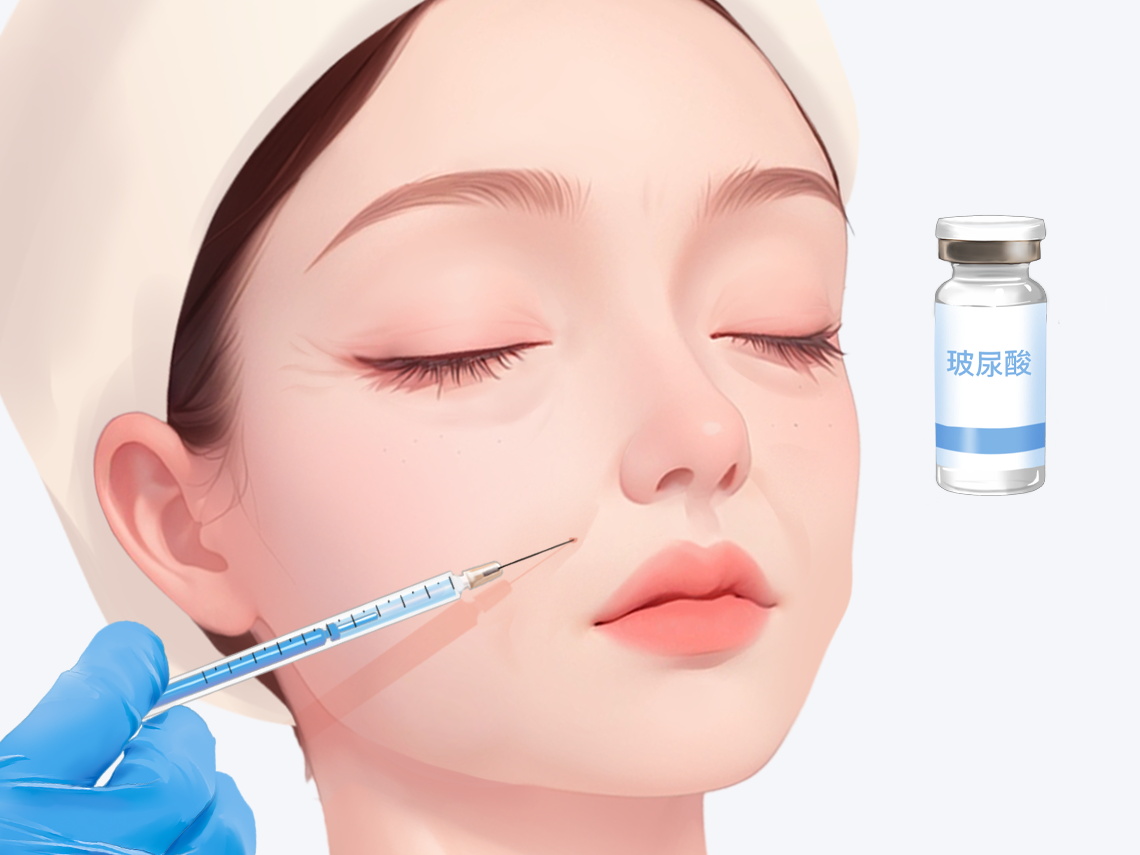
Hyaluronic Acid Injection |
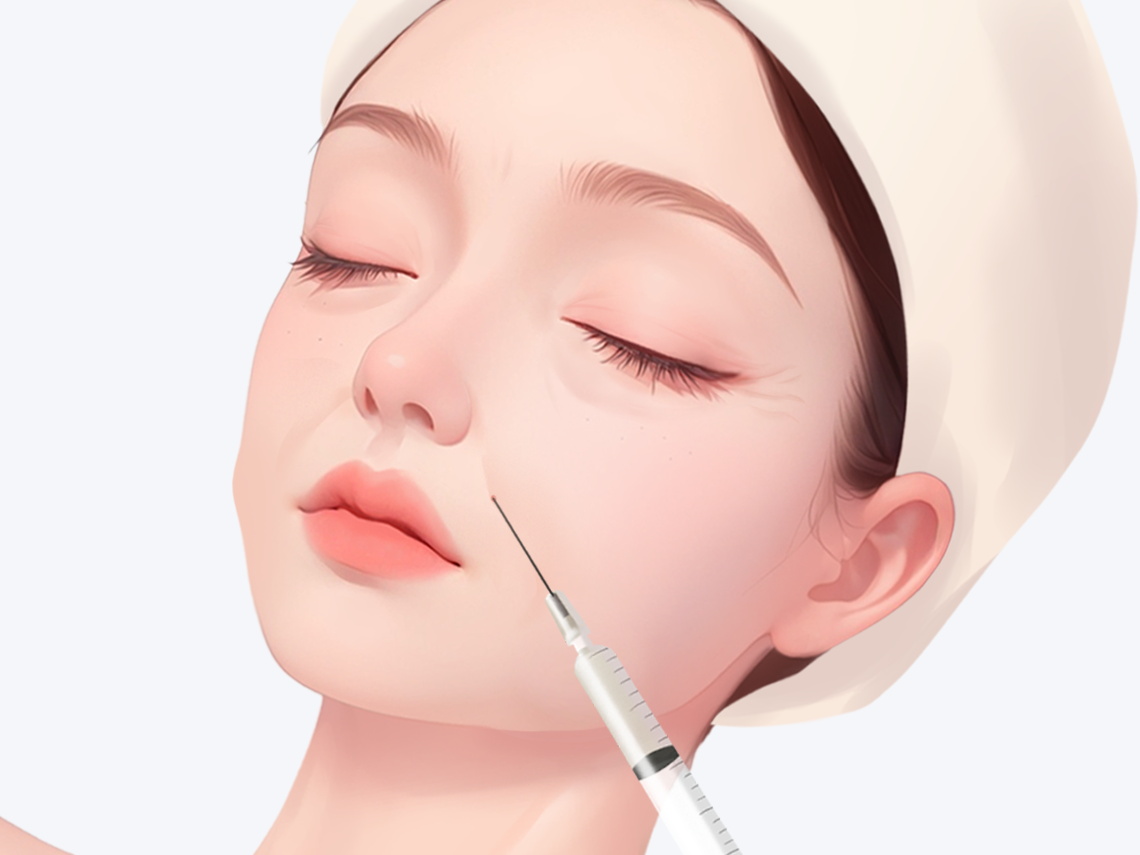
Collagen Injection |
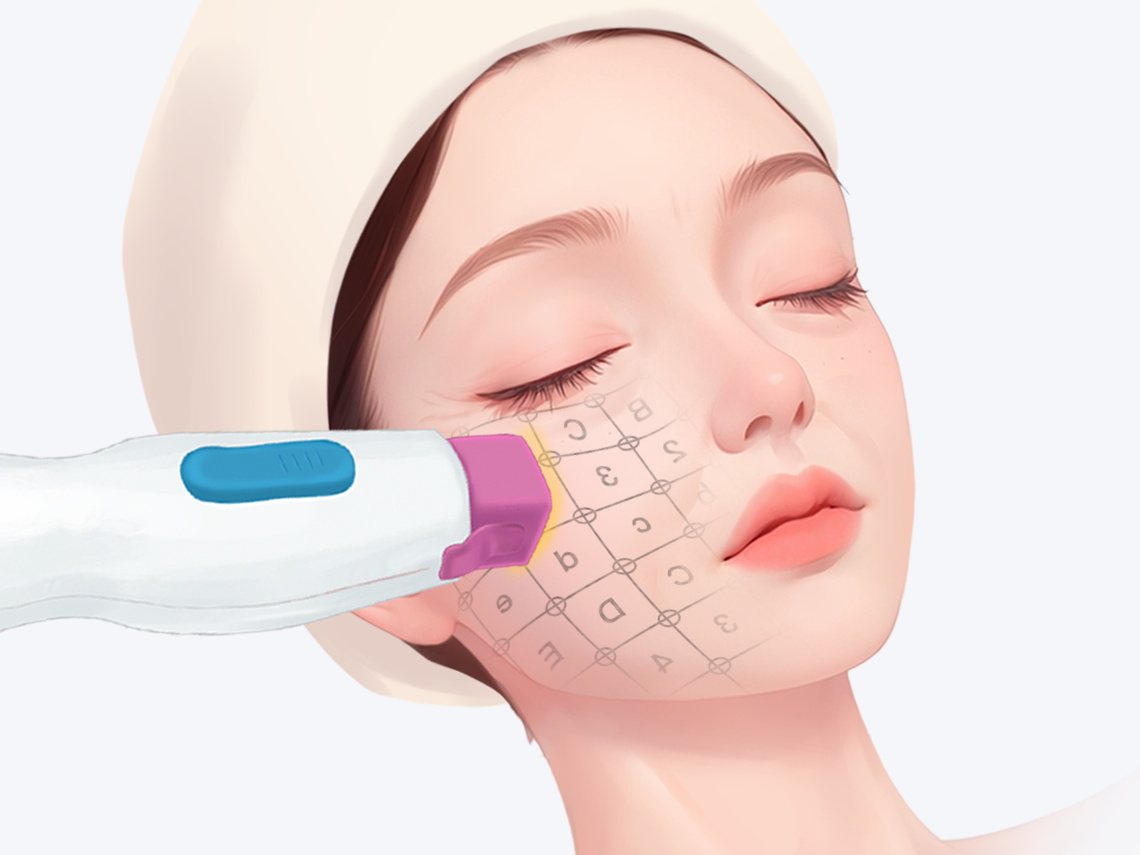
Thermage |
Fractional Laser |
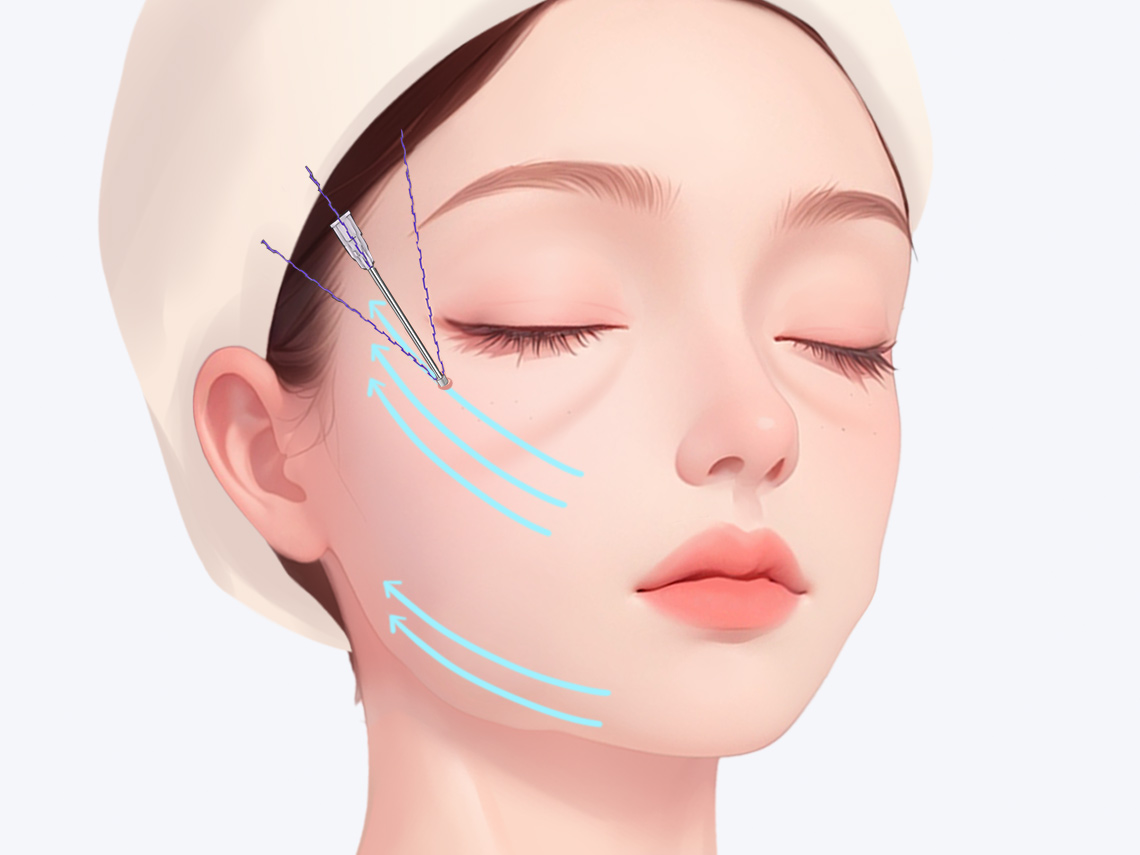
Thread Lift Surgery |
Image Example |
|
|
|
|
|
Description |
Fills and tightens skin, improves laxity |
Direct collagen injection for tightening and lifting |
Radiofrequency current acts on deep skin layers to stimulate collagen regeneration |
Laser skin resurfacing to promote new collagen formation |
Thread lifting stimulates collagen regeneration |
Advantages |
1. Noticeable results |
1. Noticeable results |
1. Noticeable results |
1. Effective treatment |
1. Minimal incision |
Disadvantages |
1. Requires regular injections |
1. High cost |
1. Limited effectiveness |
1. Possible side effects |
1. High cost |
Duration |
6–12 months |
12–18 months |
3–5 years |
10–15 years |
3–5 years |
Potential Risks |
1. Allergic reactions |
1. Allergic reactions |
1. Redness and swelling |
1. Swelling and bruising |
Related ArticlesView All
Your trusted source for health information and wellness guidance. ResourcesConnect


© 2024 HealthPortal. All rights reserved.
|