


What is the nutritional value of pork stomach (pig's belly core)?
Dec 10, 2025
Source: Cainiu Health

Dr. Huang Yuhong
Introduction
Pork stomach contains high-quality protein, various vitamins, minerals, collagen, and dietary fiber. These nutrients each play unique roles and provide comprehensive support for the body. Additionally, it is recommended to use light cooking methods such as stewing when preparing pork stomach, avoiding excessive oil to facilitate better nutrient absorption.
Pork stomach contains high-quality protein, various vitamins, minerals, collagen, and dietary fiber. These nutrients each play unique roles and provide comprehensive support to the body. The detailed analysis is as follows:
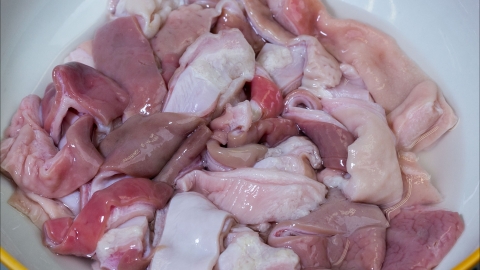
1. High-Quality Protein
Pork stomach is an important source of high-quality protein, with an amino acid profile close to human requirements, making it easy to digest and absorb. Protein serves as the foundation for muscles, skin, internal organs, and other tissues. It also participates in the synthesis of essential substances such as enzymes and hormones, helping maintain normal physiological functions and promoting tissue repair and growth.
2. Various Vitamins
Pork stomach is rich in B-complex vitamins, including vitamin B1 and vitamin B2. These vitamins are involved in the body's energy metabolism process, helping break down carbohydrates, fats, and proteins from food into usable energy. They also benefit nervous system function and skin health.
3. Minerals
Pork stomach contains minerals such as phosphorus, potassium, and iron. Phosphorus and potassium are key elements for maintaining bone health, normal heart rhythm, and fluid balance in the body. Iron is an essential component for hemoglobin synthesis, helping prevent iron-deficiency anemia and improving blood circulation and vitality.
4. Collagen
Pork stomach contains a certain amount of collagen, a protein that is a major component of connective tissues. When consumed, it provides nourishment to tissues such as skin and joints, helping maintain skin elasticity and supporting joint health.
5. Dietary Fiber
The dietary fiber in pork stomach promotes intestinal motility, accelerates digestion and absorption of food, aids in eliminating metabolic waste from the intestines, prevents constipation, and helps maintain a balanced gut microbiome and overall digestive health.
In addition, when consuming pork stomach, it is recommended to use light cooking methods such as stewing or boiling, avoiding excessive oil, which facilitates better nutrient absorption.


