Can sagging and deflated breasts after breastfeeding be restored?
Sep 20, 2024
Source: Cainiu Health

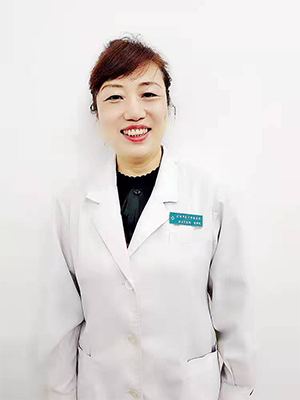
Dr. Lv Dapeng
Introduction
In general, breast sagging and deflation after breastfeeding can be restored. Postpartum breast deflation and sagging may result from cessation of milk production, decreased prolactin levels, irregular or prolonged breastfeeding, skin laxity, or inadequate nutrition. Mild breast sagging and deflation can be moderately improved through exercise, breast massage, dietary adjustments, establishing regular breastfeeding habits, and wearing properly fitted bras.
In general, breast sagging and deflation after breastfeeding can be improved. Postpartum breast deflation and ptosis may result from cessation of milk production, decreased prolactin levels, irregular or prolonged breastfeeding, skin laxity, or inadequate nutrition. Mild cases can be appropriately improved through exercise, breast massage, dietary adjustments, establishing regular breastfeeding habits, and wearing properly fitted bras. For more severe cases, treatments such as autologous fat transfer, breast implants, or mastopexy (breast lift surgery) may help. However, individual conditions vary, so outcomes differ from person to person. It is recommended to proceed under the guidance of a qualified physician.
Causes of Breast Deflation and Sagging After Breastfeeding:
1. Cessation of Milk Secretion
During lactation, the mammary glands remain full due to continuous milk production, giving the breasts a fuller appearance. Once breastfeeding ends and milk production stops, the mammary tissue gradually atrophies. Without the support of milk volume, the breasts lose fullness and are prone to deflation and sagging. Exercises such as chest presses and push-ups can strengthen the pectoral muscles, providing better structural support for the breasts. Additionally, massaging the breasts can improve blood circulation and stimulate mammary tissue, helping maintain breast shape to some extent.
2. Decline in Prolactin Levels
Prolactin levels are elevated during breastfeeding, promoting breast development and milk secretion. After weaning, prolactin levels drop sharply, leading to corresponding changes in mammary tissue—alveoli gradually shrink, and both breast volume and weight decrease, resulting in deflation and sagging. Consuming foods that help regulate hormonal balance, such as soy products rich in isoflavones (which mimic estrogen), may help maintain the health of breast tissue.
3. Irregular or Prolonged Breastfeeding
Irregular feeding patterns—such as allowing the baby to suckle for extended periods or frequent nursing—can keep breast tissue and skin in a constant state of stretching without adequate recovery time. Over time, this reduces breast elasticity and increases the risk of sagging. Establishing a consistent breastfeeding routine with fixed intervals and durations (ideally 15–20 minutes per session) helps prevent excessive strain on breast tissue.
4. Skin Laxity
During breastfeeding, increased milk production and glandular growth cause the breasts to enlarge, stretching the overlying skin. After lactation ends and breast size decreases, the overstretched skin often fails to regain its original firmness, leading to loose skin and subsequent sagging. Wearing well-fitted supportive bras, especially shaping bras, is crucial—they provide proper support, lift the breasts, and reduce further gravitational stretching of the skin.
5. Nutritional Deficiency
Mothers require substantial nutrients during lactation to meet both their own and their baby’s needs. If nutritional intake is insufficient, the body prioritizes nutrient delivery to the infant, leaving breast tissue and skin undernourished. This impairs normal repair and maintenance processes. Chronic malnutrition can lead to breast tissue atrophy and loss of skin luster and elasticity, ultimately causing deflation and sagging. A diet rich in protein, vitamins, and minerals is essential. In addition to lean meats, fish, eggs, legumes, and foods high in vitamins C and E, include collagen-rich foods such as pig trotters and fish skin, which supply vital nutrients to support breast fullness and elasticity.
Analysis of Procedures to Correct Breast Deflation and Sagging:
Procedure Name |
Autologous Fat Transfer |
Implant-Based Breast Augmentation |
Mastopexy (Breast Lift) |
Principle |
Excess fat is harvested from elsewhere in the body and injected into the breasts to enhance volume |
Silicone or saline implants are surgically placed to increase breast size |
Sagging breast tissue is lifted and repositioned to correct ptosis |
Indications |
Individuals with sufficient body fat who desire enhancement but prefer to avoid implants |
Those with congenital underdevelopment or who desire significant improvement in breast shape |
Individuals with moderate to severe breast ptosis accompanied by tissue laxity |
Recovery Time |
2–4 weeks |
3–6 months |
3–6 months |
Duration of Results |
5–10 years |
10–20 years |
5–10 years |
Estimated Cost |
10,000–50,000 RMB per session |
20,000–100,000 RMB per session |
10,000–30,000 RMB per session |
Advantages |
1. No risk of immune rejection |
1. Implants can be removed if needed |
1. Enhances breast fullness |
Potential Risks |
1. Uneven fat absorption |
1. Risk of infection, bleeding, or hematoma |
1. Hematoma |
It is advisable to consult a qualified medical professional to understand the mechanisms and risks of each procedure and to choose the most suitable treatment based on individual circumstances.