


Can I still breastfeed if I catch a cold during lactation and take Banlangen?
Dec 04, 2025
Source: Cainiu Health

Dr. Zhang Lu
Introduction
In general, whether a breastfeeding mother can take Banlangen (Isatis root) for the common cold and continue nursing should be determined based on the mother's physical condition and the baby's response. If any discomfort or concerns arise, it is advisable to consult a doctor promptly. During a cold, mothers should drink plenty of warm water, ensure adequate rest, and maintain a light, easily digestible diet. Hands should be thoroughly washed with soap before and after breastfeeding, and indoor spaces should be kept well-ventilated.
Generally, whether a breastfeeding mother can take Isatidis Radix (Banlangen) and continue breastfeeding when she has a cold should be determined based on her physical condition and the baby's response. If there is any discomfort or uncertainty, it is recommended to consult a doctor promptly. The specific analysis is as follows:
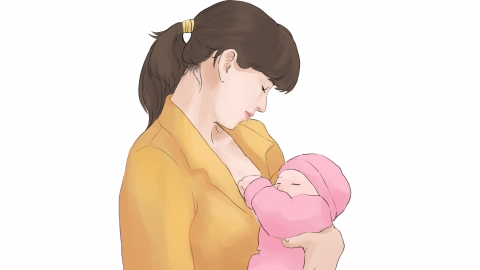
If the mother’s cold symptoms are mild—such as slight sore throat or nasal congestion without fever or with only low-grade fever—and she is in good general health, she may continue breastfeeding after taking Banlangen under medical guidance. Banlangen is relatively mild in nature and only a small amount passes into breast milk, which typically does not cause adverse effects in healthy infants. However, the mother should wear a mask during breastfeeding to prevent transmission via respiratory droplets.
If the mother has severe cold symptoms, such as high fever, intense coughing, or significant fatigue, or if the baby is very young, physically weak, or has a history of allergies, it is not advisable to breastfeed after taking Banlangen. High fever may alter the composition of breast milk, and infants have limited ability to metabolize medications, increasing the risk of allergic reactions or discomfort. In such cases, breastfeeding should be temporarily suspended and medical attention sought promptly. Breastfeeding can resume once symptoms improve.
During the illness, the mother should drink plenty of warm water, ensure adequate rest, and maintain a light, easily digestible diet. She should thoroughly wash her hands with soap before and after breastfeeding, keep indoor air circulating, and regularly disinfect frequently used items. If breastfeeding is paused, she should use a breast pump regularly to empty the breasts and maintain milk production. Meanwhile, she should closely monitor the baby’s mental state and feeding behavior, and consult a doctor immediately if any abnormalities occur.






