What to do about sagging and flat breasts after weaning
Oct 10, 2024
Source: Cainiu Health

Dr. Lv Dapeng
Introduction
In general, after weaning, a woman's breasts may become flat and saggy due to cessation of milk production, decreased prolactin levels, irregular or prolonged breastfeeding, skin laxity, or inadequate nutrition. Mild breast flattening and sagging can be somewhat improved through dietary adjustments and chest-expanding exercises. For more severe cases of flatness and sagging, treatments such as autologous fat transfer or breast augmentation with implants may be considered.
In general, breast deflation and sagging after weaning may be caused by cessation of milk production, decreased prolactin levels, irregular or prolonged breastfeeding, skin laxity, or inadequate nutrition. Mild cases of breast deflation and sagging can be improved through dietary adjustments and chest-expanding exercises. For more severe cases, treatments such as autologous fat transfer, breast implants, or mastopexy (breast lift) may be considered.
Causes of Breast Deflation and Sagging:
1. Cessation of Milk Secretion
When the breasts stop producing milk, excess milk is reabsorbed, leading to breast deflation. Consuming foods rich in collagen—such as pig trotters, chicken feet, and fish maw—may help improve the condition.
2. Decreased Prolactin Levels
Breast cells lose hormonal support, causing gradual glandular atrophy and resulting in flat, sagging breasts. This can be corrected with procedures like autologous fat transfer or breast augmentation with implants.
3. Irregular or Prolonged Breastfeeding
Insufficient connective tissue proliferation leads to soft, less elastic breast tissue. Establishing a regular breastfeeding schedule and performing chest-strengthening exercises may help improve elasticity.
4. Skin Laxity
Loose skin reduces structural support for breast tissue, contributing to sagging. Mastopexy (breast lift surgery) can effectively address this issue.
5. Nutritional Deficiency
Significant loss of proteins and fats in the breast during lactation can lead to post-weaning breast deflation. Autologous fat transfer may help restore volume.
Treatment Options for Breast Deflation and Sagging:
Procedure Name |
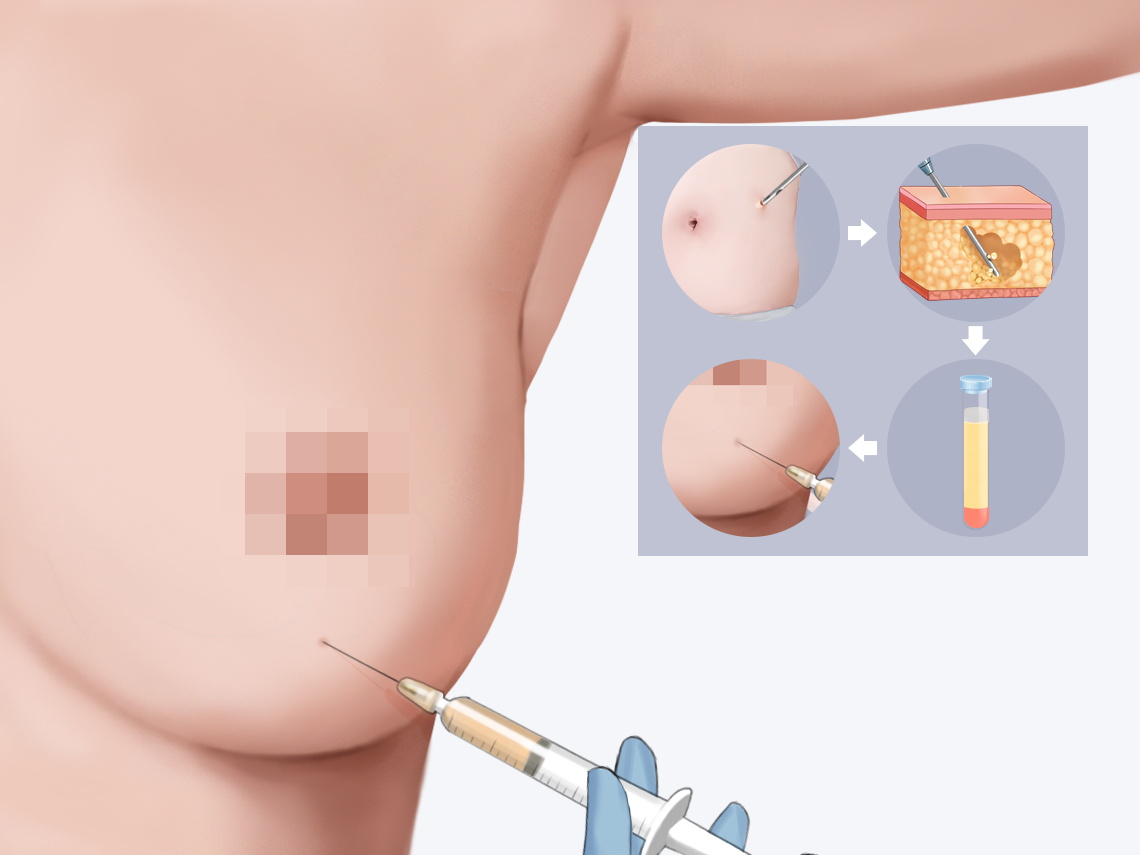
Autologous Fat Transfer |
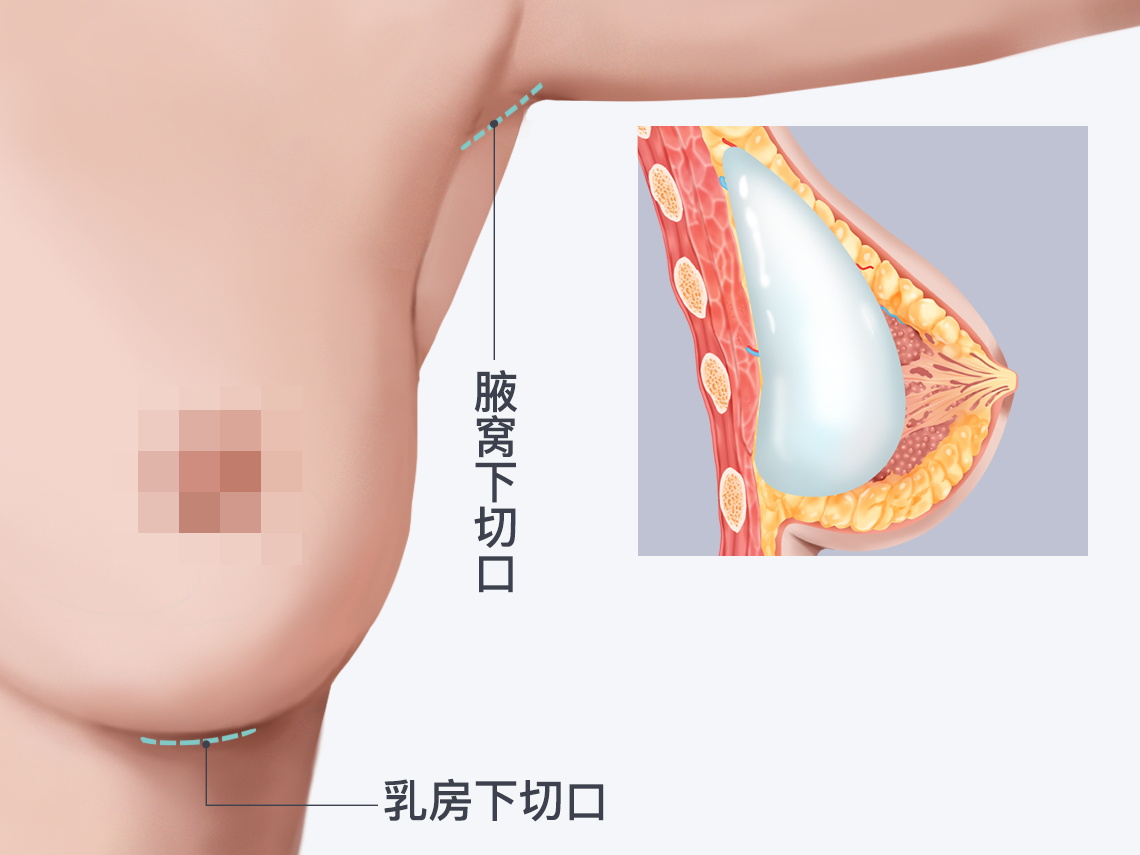
Implant-Based Breast Augmentation |
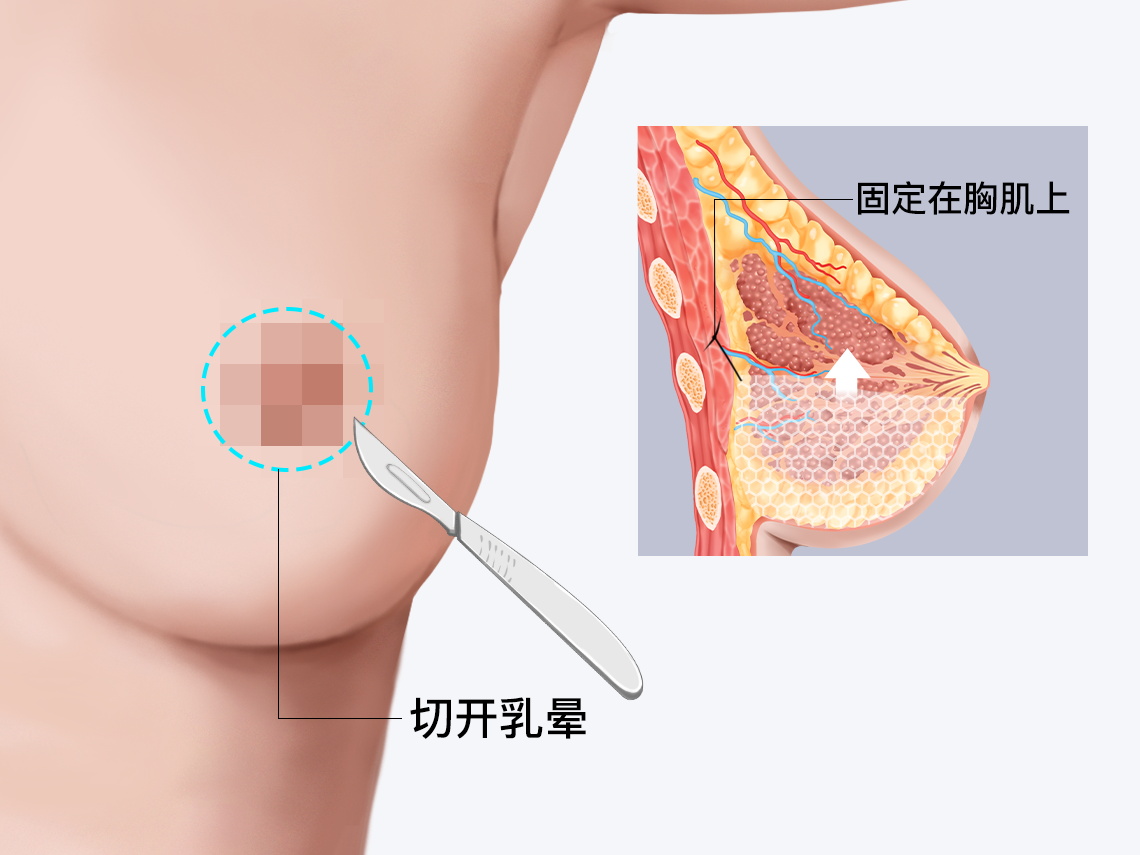
Mastopexy (Breast Lift) |
Example Image |
|
|
|
Principle |
Excess fat is harvested from the patient’s body and injected into the breasts to enhance volume. |
Implants (e.g., silicone) are surgically placed in the breasts to increase size and improve shape. |
Sagging breast tissue is lifted and repositioned to correct ptosis (drooping). |
Indications |
Individuals with sufficient body fat who desire breast enhancement but prefer to avoid implants. |
Those with underdeveloped breasts or who desire a more defined breast shape. |
Patients with moderate to severe breast sagging accompanied by loose breast tissue. |
Recovery Time |
2–4 weeks |
3–6 months |
3–6 months |
Duration of Results |
5–10 years |
10–20 years |
5–10 years |
Estimated Cost |
10,000–50,000 RMB per session |
20,000–100,000 RMB per session |
10,000–30,000 RMB per session |
Advantages |
1. No risk of immune rejection |
1. Noticeable results |
1. Safe procedure |
Potential Risks |
1. Uneven fat absorption |
1. Infection, bleeding, or hematoma |
1. Hematoma |
Patients are advised to consult qualified medical institutions and choose appropriate treatments based on individual conditions. During recovery, keep the treated area clean and dry to prevent infection.