


How to treat migraines and neuralgic headaches
Nov 10, 2024
Source: Cainiu Health
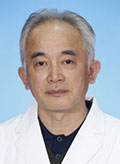
Dr. Lv Zhiqin
Introduction
In general, migraine and neuralgic headaches can be treated through regular作息 (daily routines), dietary adjustments, psychological interventions, physical therapy, and medication. Patients are advised to seek timely medical care at a hospital and follow the treatment plan prescribed by their doctor. Techniques such as massage and acupuncture may also be used to stimulate acupoints in the head and neck, improve blood circulation, relieve muscle tension, and thereby reduce pain.
Generally, migraines and neuralgic headaches can be treated through regular作息 (作息 should be removed or corrected), dietary adjustments, psychological interventions, physical therapy, and medication. Patients are advised to seek timely medical attention at a hospital and follow the treatment guidance provided by their physicians. A detailed analysis is as follows:
1. Regular作息 (作息 should be removed or corrected): Ensuring sufficient daily sleep, avoiding late nights, excessive fatigue, and unhealthy lifestyle habits such as prolonged use of electronic devices like mobile phones or computers.
2. Dietary Adjustment: Maintain a balanced diet, consume adequate amounts of fresh vegetables and fruits to ensure sufficient intake of vitamins and minerals. Avoid irritant foods such as spicy or greasy dishes and alcoholic beverages, which may exacerbate headache symptoms.
3. Psychological Intervention: Long-term migraine sufferers may experience anxiety, tension, or other emotional issues. Patients are advised to learn stress management techniques such as meditation, deep breathing, and yoga.
4. Physical Therapy: Techniques such as massage and acupuncture can stimulate acupoints in the head and neck, improve blood circulation, relieve muscle tension, and thereby reduce pain.
5. Medication: When necessary, patients may use medications such as ibuprofen sustained-release capsules, acetaminophen tablets, or Tianma Toutong tablets under a physician's guidance to alleviate symptoms.
In daily life, it is important to maintain a balanced diet, ensure adequate intake of vitamins and proteins, develop healthy lifestyle habits, avoid long-term smoking, and engage in appropriate physical activities such as jogging or hiking, which are beneficial for overall health.






