What causes migraines and how are they treated?
Mar 24, 2025
Source: Cainiu Health

Dr. Yang Ziqi
Introduction
Long-term exposure to negative emotions such as tension, anxiety, and depression can keep the brain's nerves in a constant state of tension, making migraines more likely. Daily relaxation techniques such as deep breathing, yoga, and meditation, practiced for 15–30 minutes each day, can help relieve stress and relax the nervous system. Insufficient sleep or poor sleep quality prevents the brain from resting adequately, leading to dysfunction in the constriction and dilation of cerebral blood vessels, which can trigger migraines.
Migraines may be caused by excessive mental stress, lack of sleep, improper diet, cervical spondylosis, hypertension, and other factors. They can be managed through daily lifestyle adjustments, dietary modifications, and medication. It is recommended to visit a hospital as soon as possible and follow medical advice for treatment.
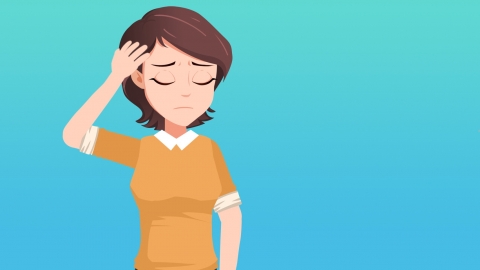
1. Excessive Mental Stress: Prolonged states of tension, anxiety, or depression can keep the brain's nerves in a constant state of strain, making migraines more likely. Daily relaxation techniques such as deep breathing, yoga, and meditation practiced for 15-30 minutes each day can help relieve stress and soothe the nervous system.
2. Lack of Sleep: Insufficient or poor-quality sleep prevents the brain from resting adequately, leading to dysfunction in the constriction and dilation of cerebral blood vessels, which can trigger migraines. It is advisable to develop regular sleep habits, ensuring 7-8 hours of high-quality sleep daily, and avoiding electronic devices before bedtime.
3. Improper Diet: Consuming excessive caffeinated beverages, alcohol, chocolate, or preserved foods may stimulate nerves and blood vessels, triggering migraines. Adjusting dietary habits to reduce intake of these foods while increasing consumption of fresh fruits and vegetables, whole grains, and other nutritious foods that are less likely to trigger headaches is recommended.
4. Cervical Spondylosis: Long-term strain and degeneration of the cervical spine can lead to narrowing of the intervertebral spaces and bone spurs, compressing neck blood vessels and nerves, affecting blood supply to the head and nerve conduction, thus causing migraines. These headaches are often accompanied by symptoms such as neck stiffness, pain, and numbness in the upper limbs. Under a doctor's guidance, medications such as Jingfukang granules, mecobalamin tablets, and ibuprofen sustained-release capsules may be used to relieve neck discomfort and reduce headaches.
5. Hypertension: Elevated blood pressure increases pressure on peripheral blood vessels, including cerebral vessels, causing vascular headaches often characterized by pulsating pain, accompanied by symptoms such as dizziness and palpitations. Patients may follow medical advice to use medications such as nifedipine controlled-release tablets, irbesartan tablets, and hydrochlorothiazide tablets to control blood pressure and alleviate headache symptoms.
Maintaining healthy lifestyle habits in daily life is essential. Avoid overexertion and intense physical activity to prevent physical discomfort. It is recommended to engage in appropriate physical activities such as walking and jogging based on individual conditions, which can help enhance physical resistance and promote recovery.