


What are the typical symptoms of angina?
Nov 21, 2024
Source: Cainiu Health

Dr. Tian Hongbo
Introduction
Under normal circumstances, typical symptoms of angina pectoris include chest pain, shortness of breath, sweating, nausea and vomiting, palpitations, etc. If physical discomfort occurs, timely medical attention is recommended, along with treatment under the guidance of a qualified physician. In daily life, patients are advised to modify their lifestyle, such as quitting smoking, controlling blood pressure, lipid levels, and blood glucose, engaging in regular exercise, and maintaining a healthy weight, which can aid in disease recovery.
Generally, the typical symptoms of angina pectoris include chest pain, shortness of breath, sweating, nausea and vomiting, palpitations, etc. If discomfort occurs, timely medical consultation is recommended, and treatment should be conducted under the guidance of professional doctors. Detailed analysis is as follows:
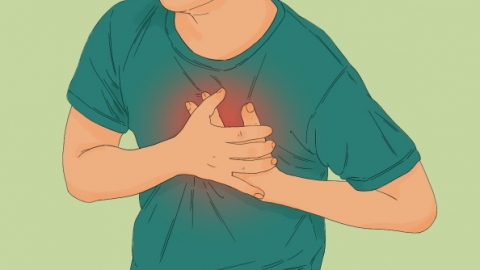
1. Chest Pain: Chest pain usually occurs behind the breastbone and may also involve the precordial area. The affected area is often not clearly defined and commonly radiates to the left shoulder, the inner side of the left arm reaching the ring and little fingers, or to the neck, throat, or jaw.
2. Shortness of Breath: During an angina attack, patients may feel breathless and need to exert effort or take deep breaths to relieve the discomfort, which may be caused by reduced cardiac function due to insufficient blood supply to the heart.
3. Sweating: During an angina attack, patients may suddenly sweat, especially on the forehead, palms, and soles, primarily due to the combined effects of pain stimulation and sympathetic nerve excitation.
4. Nausea and Vomiting: In severe cases of angina, patients may experience symptoms of nausea and vomiting, which are gastrointestinal reactions caused by insufficient blood supply to the heart.
5. Palpitations: During an angina attack, patients may feel a rapid, irregular heartbeat or a sensation of strong heartbeats, usually caused by arrhythmia or enhanced myocardial contractility due to insufficient blood supply to the heart.
In daily life, patients are advised to change their lifestyle habits, such as quitting smoking, controlling blood pressure, lipids, and glucose levels, exercising regularly, and maintaining a healthy weight, which can help in disease recovery.






