


What are the symptoms of monkeypox?
Nov 21, 2024
Source: Cainiu Health

Dr. Liu Wenmin
Introduction
In general, the symptoms of monkeypox mainly include fever, headache, lymphadenopathy (swollen lymph nodes), rash, and muscle aches. If you experience any physical discomfort, it is recommended to seek medical attention promptly and undergo treatment under the guidance of a qualified physician. In daily life, patients are advised to maintain a healthy lifestyle, engage in regular physical activity, quit smoking, limit alcohol consumption, and take medications as directed by their doctor.
Generally, the symptoms of monkeypox mainly include fever, headache, lymphadenopathy (swollen lymph nodes), rash, muscle aches, and so on. If you experience any physical discomfort, it is recommended to seek medical attention promptly and receive treatment under the guidance of a qualified physician. A detailed explanation is as follows:
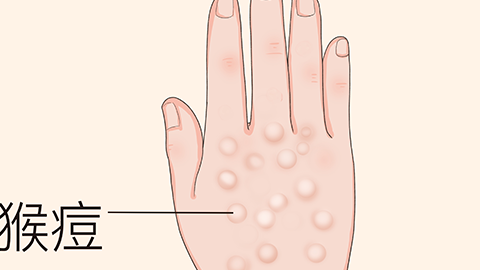
1. Fever: After infection with the monkeypox virus, patients typically develop a high fever, with body temperature reaching above 38 degrees Celsius, or even higher. Fever is a common response to viral infection and may be accompanied by severe headaches.
2. Headache: Headache is one of the common symptoms during the prodromal phase of monkeypox, possibly presenting as intense head pain that affects the patient's normal daily activities.
3. Lymphadenopathy: Swollen lymph nodes are a notable characteristic of monkeypox infection, often appearing at the beginning of the illness, indicating active viral replication within the body. Lymph node swelling commonly occurs in areas such as the neck, behind the ears, groin, and armpits.
4. Rash: Rashes may appear in areas such as the mouth, throat, anus, genital region, and cornea, and may be accompanied by itching. During the recovery phase of skin lesions, the affected areas may become itchy, and the rash progresses to form pustules that gradually dry up, developing into blisters and pustular eruptions.
5. Muscle Pain: Patients may experience muscle aches or back pain, which is a typical symptom during the prodromal stage, affecting the patient's mobility. Other symptoms may include loss of appetite, back pain, and sore throat, which typically last for 2–4 days.
In daily life, patients are advised to maintain a healthy lifestyle, engage in regular physical exercise, quit smoking, limit alcohol consumption, and take medications as prescribed by their doctors. At the same time, maintaining good dietary habits and consuming more fresh fruits and vegetables, such as apples, tomatoes, and cucumbers, can aid in recovery from the illness.





