


What are the main symptoms of depression?
Nov 23, 2024
Source: Cainiu Health

Dr. Zhang Baohua
Introduction
Under normal circumstances, the main symptoms of depression include low mood, loss of interest, cognitive and thinking impairments, sleep disturbances, and reduced energy. If experiencing any discomfort or symptoms, it is recommended to seek timely medical consultation at a hospital and follow standardized treatment under a doctor's guidance. It is also advisable to adjust lifestyle habits, such as engaging in regular physical activity, maintaining healthy eating habits, and ensuring adequate sleep.
Generally, the main symptoms of depression include low mood, loss of interest, cognitive and thinking impairments, sleep disturbances, and reduced energy. If experiencing any discomforting symptoms, it is recommended to seek timely medical consultation at a hospital and receive standardized treatment under a doctor's guidance. A detailed analysis is as follows:
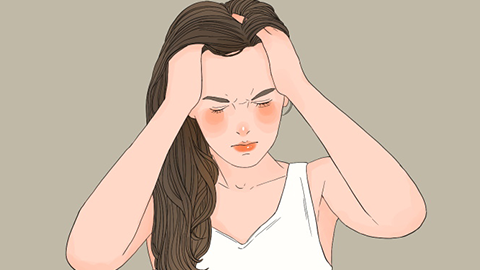
1. Low Mood
Patients may experience prolonged feelings of sadness, depression, helplessness, and hopelessness, losing the ability to feel pleasure and interest in daily activities. This emotional state may persist for weeks, months, or even longer.
2. Loss of Interest
Individuals with depression lose interest in activities or hobbies they previously enjoyed, no longer finding pleasure in things they once found enjoyable. They may become indifferent to everything and unable to derive enjoyment from any activity.
3. Cognitive and Thinking Impairments
Patients may experience difficulty concentrating, memory decline, impaired decision-making abilities, and trouble thinking clearly. They may feel as though their mind is sluggish, unable to remember things or think effectively. Additionally, they may excessively blame themselves, maintain pessimistic attitudes toward the future and their surroundings, and easily fall into negative thought patterns.
4. Sleep Disturbances
Depression may disrupt the circadian rhythm, causing insomnia or excessive sleeping. Anxiety and negative thinking patterns can also lead to difficulty falling asleep.
5. Reduced Energy
Long-term stress and stress responses deplete significant energy, leading to physical and mental fatigue. Patients may feel exhausted and unable to recover their energy even after sufficient rest.
It is recommended to adjust lifestyle habits, such as engaging in regular exercise, maintaining healthy eating habits, and ensuring adequate sleep. Additionally, maintaining close communication with the doctor and following medical advice during treatment is important for promoting recovery.




