Are there any risks and side effects associated with breast augmentation?
Nov 26, 2024
Source: Cainiu Health

Dr. Han Xuefeng
Introduction
Breast augmentation carries risks such as infection, bleeding and hematoma, implant displacement or rupture, capsular contracture, and impaired breastfeeding function. Breast augmentation may lead to complications including breast hardening, asymmetry, hematoma and infection, implant rupture or exposure, and psychological effects. 1. Risk of infection: There is a risk of infection whether breast augmentation is performed surgically or with certain breast enhancement products.
Generally, breast augmentation carries risks such as infection, bleeding and hematoma, implant displacement or rupture, capsule contracture, and impaired breastfeeding function. Breast augmentation may also result in complications including breast hardening, asymmetry, hematoma and infection, silicone implant rupture or exposure, and psychological effects. A detailed analysis is as follows:
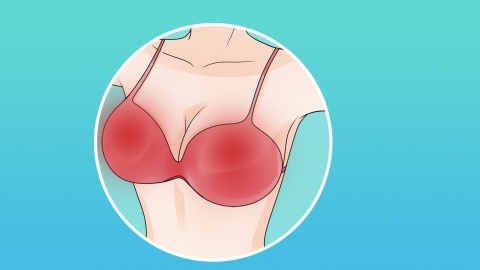
I. Risks
1. Risk of infection: Whether through surgical breast augmentation or the use of breast enhancement products, there is a risk of infection. During surgical augmentation, if sterilization is incomplete or postoperative care is improper, bacteria may enter the wound and cause infection, which in severe cases may require removal of the implant or treatment of transplanted fat. When using breast enhancement products, unsafe ingredients or allergic reactions may also lead to infection or skin inflammation.
2. Bleeding and hematoma: During breast augmentation surgery, improper technique or damage to blood vessels may cause bleeding. If the wound is improperly bandaged postoperatively, a hematoma may develop.
3. Implant displacement or rupture: When using implants for breast augmentation, inaccurate implant placement or vigorous physical activity or external impact after surgery may cause implant displacement, leading to unnatural breast shape. Prolonged use or low-quality implants may also rupture, requiring surgical removal.
4. Capsular contracture: After implant-based breast augmentation, the body may form a capsule around the implant. When the capsule contracts excessively, it can cause the breasts to harden and become painful, affecting texture and appearance.
5. Impaired breastfeeding function: Breast augmentation surgery may damage breast tissue or ducts, potentially affecting future breastfeeding. This risk increases if implant placement is improper or surgical techniques are rough.
II. Complications
1. Breast hardening: During breast augmentation surgery, especially with implants, if postoperative blood accumulation isn't completely cleaned or adverse reactions occur between the implant and surrounding tissues, breast hardening may result. This hardening may make the breasts feel unnatural and even affect aesthetics.
2. Breast asymmetry: After breast augmentation surgery, factors such as surgical technique, implant placement, or postoperative recovery may lead to breast asymmetry. This asymmetry may manifest as differences in size, shape, or position, affecting overall aesthetics.
3. Hematoma and infection: During surgery, damage to chest capillaries or inadequate sterilization may lead to hematoma and infection. Hematoma may present as chest swelling and pain, while infection may cause symptoms such as fever and redness. In severe cases, incision and drainage or implant removal may be required.
4. Silicone implant rupture or exposure: In silicone implant breast augmentation, the silicone implant may rupture under strong external force, altering breast appearance. Additionally, improper implant placement or inadequate postoperative protection may lead to implant exposure, causing complications such as infection.
5. Psychological effects: Breast augmentation surgery not only affects physical health but may also impact patients psychologically. Some patients may be dissatisfied with surgical outcomes or anxious about surgical risks and complications, leading to psychological issues such as anxiety and irritability. These issues may require psychological counseling or therapy.
When choosing breast augmentation surgery, patients should fully understand the surgical risks and potential complications and undergo surgery at reputable hospitals performed by experienced surgeons. Postoperatively, strict adherence to medical advice for care and follow-up visits is essential to ensure surgical outcomes and personal safety.