


What are the causes of oligohydramnios?
Nov 26, 2024
Source: Cainiu Health

Dr. Zhang Lu
Introduction
In general, possible causes of oligohydramnios (low amniotic fluid) may include late-term pregnancy, individual differences, maternal hypovolemia (low blood volume), placental insufficiency, and fetal urinary system abnormalities. Management should be based on the specific situation. Pregnant women should maintain a relaxed mindset, ensure adequate sleep, undergo regular prenatal examinations, and promptly identify and manage oligohydramnios or other issues.
Generally, possible causes of oligohydramnios (low amniotic fluid) may include late-term pregnancy, individual differences, maternal hypovolemia, placental insufficiency, and fetal urinary system malformations. Management should be based on the specific situation.
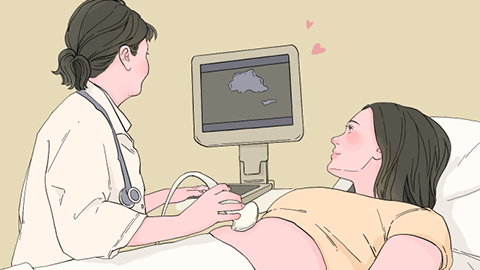
1. Late-term pregnancy: During late pregnancy, the growth rate of the fetus accelerates, and the fetal body gradually fills the uterine cavity, reducing the space available for amniotic fluid movement. Therefore, the volume of amniotic fluid may relatively decrease, which is usually a normal physiological phenomenon. Regular prenatal examinations are recommended to monitor fetal growth and amniotic fluid levels.
2. Individual differences: Each pregnant woman has different physiological conditions; some women may naturally produce less amniotic fluid. If there are no other complications, simple low amniotic fluid production may not be accompanied by obvious symptoms. It is recommended to undergo regular prenatal checkups and monitor fetal development to ensure maternal and fetal health.
3. Maternal hypovolemia: Maternal hypovolemia and increased plasma osmotic pressure can lead to increased placental absorption of amniotic fluid and increased fetal tubular reabsorption of water, resulting in decreased urine production and thus reduced amniotic fluid. It is recommended to follow medical advice for intravenous fluid administration, such as oral rehydration salts, glucose and sodium chloride injection, normal saline solution, to replenish blood volume.
4. Placental insufficiency: Post-term pregnancy, gestational hypertension and other conditions can cause placental insufficiency and inadequate placental perfusion, leading to fetal hypoxia, reduced renal artery blood flow, decreased fetal urine production, and thus reduced amniotic fluid. It is recommended to use medications such as nifedipine tablets, salvia miltiorrhiza tablets, and low molecular weight heparin calcium injection under medical guidance for treatment.
5. Fetal urinary system malformations: Congenital urinary tract malformations such as underdeveloped renal tubules, urinary tract obstruction, and urethral atresia can lead to reduced amniotic fluid due to impaired fetal urine production or excretion. It is recommended to undergo detailed prenatal examinations, such as chromosome testing and ultrasound examinations, to confirm whether the fetus has malformations. If the malformations are severe, pregnancy termination may be required under medical guidance.
Pregnant women should maintain a relaxed mindset in daily life, ensure adequate sleep to allow physical recovery, which benefits blood circulation and amniotic fluid production. Regular prenatal checkups should be conducted to detect and manage oligohydramnios or other issues promptly.


