


What are the functions and effects of Sichuan Fritillary Bulb (Chuan Beimu)?
Nov 28, 2024
Source: Cainiu Health

Dr. Yang Ziqi
Introduction
Under normal circumstances, Fritillaria is a kind of traditional Chinese medicinal material, which is the dried bulb of plants from the Liliaceae family, including Fritillaria cirrhosa, Fritillaria unibracteata, Fritillaria przewalskii, or Fritillaria delavayi. It has various functions such as clearing heat and resolving phlegm, enhancing immunity, relieving asthma, regulating blood pressure, promoting diuresis, stopping bleeding, and reducing swelling. Fritillaria cirrhosa is a cold-natured traditional Chinese medicine; therefore, it is recommended to follow medical advice when taking it to avoid adverse effects that might impact the patient's health.
Generally speaking, Fritillaria is a traditional Chinese medicinal herb known for its various therapeutic effects, including clearing heat and resolving phlegm, enhancing immunity, relieving asthma, regulating blood pressure and promoting diuresis, as well as stopping bleeding and reducing swelling. A detailed explanation is as follows:
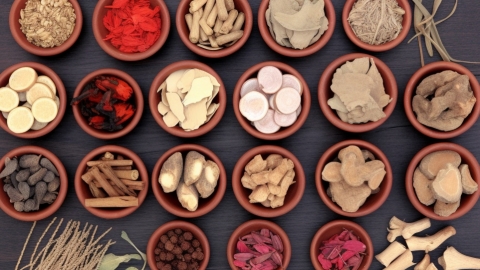
1. Clearing Heat and Resolving Phlegm
Fritillaria cirrhosa is particularly effective in clearing lung heat and dissolving phlegm, providing good relief for symptoms such as coughing and phlegm caused by lung heat. Its medicinal property is slightly cold, with a taste that is both sweet and bitter. It primarily enters the lung and heart meridians, making it especially suitable for treating phlegm caused by heat pathogens or dry phlegm.
2. Enhancing Immunity
Fritillaria cirrhosa has the ability to boost the body's immune system by not only increasing the number of white blood cells but also promoting antibody production. This characteristic makes Fritillaria cirrhosa play an important role in the prevention and treatment of diseases caused by low immunity.
3. Relieving Asthma
Fritillaria cirrhosa demonstrates good anti-asthmatic effects by dilating the bronchus and effectively alleviating symptoms of dyspnea. For asthma patients, Fritillaria cirrhosa serves as a beneficial adjunctive treatment option, helping to relieve shortness of breath and chest tightness during acute episodes.
4. Regulating Blood Pressure and Promoting Diuresis
Alkaloids in Fritillaria cirrhosa, such as peimine and peiminine, have a bidirectional regulatory effect on blood pressure. Patients with hypertension can benefit from reduced blood pressure after taking Fritillaria cirrhosa, while those with hypotension may experience elevated blood pressure. In addition, Fritillaria cirrhosa has a diuretic effect, promoting the elimination of excess fluid from the body, reducing the burden on the kidneys, and alleviating facial and limb edema caused by kidney disease.
5. Stopping Bleeding and Reducing Swelling
Fritillaria cirrhosa has certain hemostatic and anti-inflammatory effects, as it can constrict blood vessels and reduce blood flow, thereby exerting a therapeutic effect on hemorrhagic diseases, pulmonary hemorrhage, and hemoptysis.
It is recommended to follow medical advice when taking this herb to avoid adverse effects that may impact the patient's health.








