


What are the complications of induced abortion?
Nov 28, 2024
Source: Cainiu Health

Dr. Zhang Lu
Introduction
Under normal circumstances, complications of induced abortion mainly include bleeding, missed aspiration, abortion syndrome, uterine perforation, and intrauterine adhesion. If discomfort symptoms occur, it is recommended to seek timely medical attention at a hospital and receive standardized treatment under a physician's guidance. If there is no fertility requirement, contraceptive measures should be taken to avoid frequent induced abortions.
Generally, complications of induced abortion mainly include bleeding, missed aspiration, abortion syndrome, uterine perforation, intrauterine adhesion, etc. If discomfort symptoms occur, it is recommended to seek timely medical attention at a hospital and receive standardized treatment under the guidance of a physician. Detailed analysis is as follows:
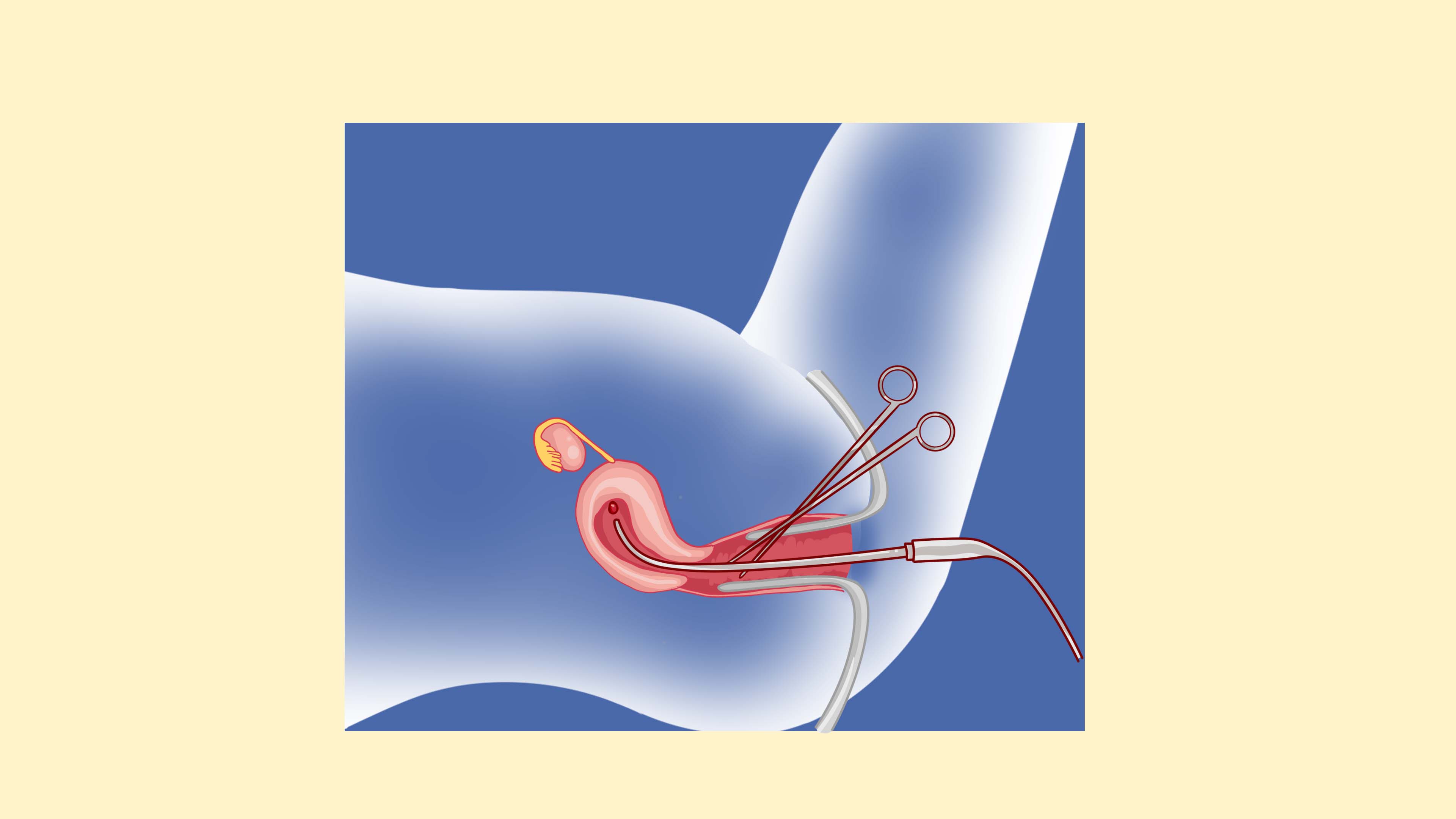
1. Bleeding
Bleeding may occur during the induced abortion procedure due to endometrial damage, poor uterine contraction, or other reasons.
2. Missed Aspiration
If embryonic tissue is not completely removed during the surgical procedure, it may lead to ongoing pregnancy or embryonic arrest.
3. Abortion Syndrome
Abortion syndrome refers to symptoms such as bradycardia, chest tightness, profuse sweating, pallor, dizziness, and vomiting caused by surgical pain or local stimulation. In severe cases, it may even cause hypotension, syncope, and convulsions.
4. Uterine Perforation
Uterine perforation may occur during the induced abortion procedure if the physician performs improper manipulation or if the woman has an unusual uterine position, which may increase the difficulty of the procedure, leading to uterine perforation during vacuum aspiration or forceps use. Uterine perforation may be accompanied by uterine bleeding, and the intestines and internal organs are susceptible to injury.
5. Intrauterine Adhesion
Intrauterine adhesion is often caused by endometrial damage or infection resulting from induced abortion. It may manifest as amenorrhea, decreased menstrual flow, or infertility.
If there is no further childbearing requirement, effective contraceptive measures should be taken to avoid frequent induced abortions.


