


What are the risks associated with induced abortion that I should be aware of?
Mar 20, 2025
Source: Cainiu Health

Dr. Zhang Lu
Introduction
In general, risks associated with induced abortion include menstrual changes, infection, uterine bleeding, infertility and recurrent miscarriage, and uterine perforation. If an induced abortion procedure is necessary, it should be performed at a正规 (standard), qualified medical institution to ensure the safety and effectiveness of the procedure. After the procedure, patients should keep the vulva clean and dry and avoid using shower gel or soap for washing.
Generally, risks associated with induced abortion include menstrual changes, infection, uterine bleeding, infertility and recurrent miscarriage, and uterine perforation. A detailed explanation is as follows:
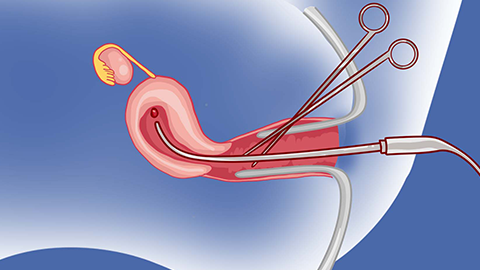
1. Menstrual Changes
Induced abortion may cause trauma to the endometrium, potentially leading to complications such as menstrual irregularities. Patients may experience reduced menstrual flow or irregular menstrual cycles. If the basal layer of the endometrium is damaged during surgery, amenorrhea may even occur.
2. Infection
Infection is one of the common complications after induced abortion. Failure to strictly follow aseptic techniques during surgery or poor personal hygiene post-surgery may lead to pelvic infections, intrauterine adhesions, pelvic inflammatory disease, salpingitis, and other conditions.
3. Uterine Bleeding
During the induced abortion procedure, improper surgical techniques or poor uterine contraction may cause uterine bleeding. Excessive bleeding not only affects the surgical field of view and increases surgical difficulty but may also lead to risks such as anemia and shock. Therefore, bleeding should be strictly controlled during the procedure, and the patient's bleeding condition should be closely monitored after surgery.
4. Infertility and Recurrent Miscarriage
If the endometrium is damaged during induced abortion, it may lead to infertility or recurrent miscarriage. Endometrial damage can affect the implantation and development of fertilized eggs, thereby impairing fertility.
5. Uterine Perforation
Improper surgical techniques or abnormal uterine position may lead to uterine perforation. Uterine perforation may cause severe complications such as massive hemorrhage and may even require emergency surgical treatment.
If an induced abortion is necessary, it should be performed at a legitimate and qualified medical institution to ensure the safety and effectiveness of the procedure. After surgery, patients should maintain external genital cleanliness and dryness and avoid using shower gels or soap for washing.


