What causes pimples on the chin and how to manage them?
Nov 28, 2024
Source: Cainiu Health

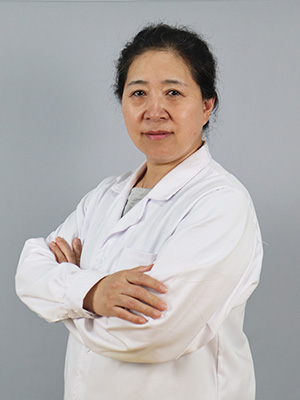
Dr. Liu Wenmin
Introduction
Under normal circumstances, pimples refer to acne. Acne on the chin may be caused by hormonal changes, lifestyle habits, folliculitis, Propionibacterium acnes infection, polycystic ovary syndrome, and other factors. It can be managed through general treatment, medication, and other approaches. In daily life, improving dietary habits, eating清淡 (light or bland) foods, and increasing dietary fiber intake are recommended.
Generally speaking, pimples refer to acne. Acne on the chin may be caused by hormonal changes, lifestyle habits, folliculitis, allergies, polycystic ovary syndrome (PCOS), and other factors. It can be managed through general care, medication, and other treatments. If discomfort occurs, prompt medical attention is recommended. Detailed explanations are as follows:
1. Hormonal Changes
During physiological stages such as puberty, menstrual cycles, and pregnancy, increased androgen levels can stimulate the sebaceous glands to produce excess oil, which may block hair follicles and trigger acne. It's important to maintain skin cleanliness and use mild, non-irritating skincare products.
2. Lifestyle Habits
Long-term consumption of spicy, greasy, or sweet foods, as well as poor lifestyle habits such as staying up late and irregular作息 (作息 should be "作息" in English, but it's best translated as "sleep patterns" or "daily routines"), can stimulate sebaceous glands to produce oil, which, along with shed skin cells and dust, may block hair follicles and cause acne on the chin. It is recommended to maintain good lifestyle habits, including regular作息 (作息 should be "作息" in English, but it's best translated as "sleep patterns" or "daily routines"), a healthy diet, and avoiding high-sugar and greasy foods.
3. Folliculitis
Folliculitis is generally caused by bacterial infections of hair follicles, such as those by Staphylococcus aureus. When the follicular opening becomes blocked, bacteria multiply within the follicle, causing an inflammatory response that results in acne on the chin, often accompanied by symptoms such as redness, localized itching, and pain. Treatment may include medications such as erythromycin ointment, mupirocin ointment, or amoxicillin capsules, as directed by a physician.
4. Allergies
Contact of facial skin with cosmetics or exposure to dusty environments may lead to allergic reactions, manifesting as acne on the face, often accompanied by facial itching and swelling. Antiallergy medications such as desloratadine capsules, levocetirizine hydrochloride tablets, or avastin capsules may be used under medical guidance.
5. Polycystic Ovary Syndrome (PCOS)
Polycystic ovary syndrome is a disorder caused by endocrine and metabolic abnormalities, characterized by hyperandrogenemia and ovulation disorders. Acne on the chin is a clinical manifestation of hyperandrogenemia. It may also be accompanied by menstrual irregularities, infertility, hirsutism, and obesity. Treatment options may include medications such as ethinyl estradiol/cyproterone acetate tablets, spironolactone tablets, or dexamethasone tablets, as directed by a physician.
In daily life, improving dietary habits, eating light meals, increasing dietary fiber intake, ensuring sufficient sleep, maintaining good sleep hygiene, paying attention to facial cleanliness, and using skincare products containing salicylic acid and phenoxyethanol can help control oil secretion and reduce acne.