


What should I do if my toenails become thick, yellow, and hollow?
Nov 29, 2024
Source: Cainiu Health

Dr. Liu Wenmin
Introduction
Thickening, yellowing, and hollowing of the toenails may be caused by excessive foot labor, toenail aging, nail dystrophy, onychomycosis (fungal nail infection), nail psoriasis, or other similar conditions. The appropriate treatment depends on identifying and addressing the specific underlying cause to achieve effective results. It is important to seek medical attention promptly and follow the healthcare provider's instructions for treatment. Additionally, maintaining proper foot hygiene is essential, including regularly washing and soaking the feet, as well as frequently changing socks and shoes.
Generally, thickened and yellow toenails that become hollow may be caused by excessive foot labor, toenail aging, nail dystrophy, onychomycosis (fungal nail infection), or nail psoriasis. The appropriate treatment depends on the specific cause to achieve effective results. It is recommended to seek medical attention promptly and follow medical advice for treatment. Details are as follows:
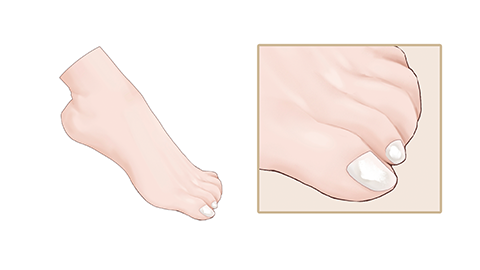
1. Excessive foot labor: Excessive foot activity or prolonged exposure to a damp environment can lead to the accumulation of dirt and fungi. As a protective response, the nails may thicken and turn yellow. It is important to keep the feet clean and dry, trim the nails regularly, and avoid prolonged exposure to moist environments.
2. Toenail aging: With age, toenails naturally age and gradually thicken, especially in individuals who have worked barefoot for long periods. This may manifest as thickened, hardened nails and color changes. No special treatment is required; maintaining clean and dry feet and regular nail trimming is sufficient.
3. Nail dystrophy: Nail dystrophy may occur due to genetic factors, congenital nail deformities, dietary issues, or insufficient nutrient absorption over time. The nails may become uneven, separated, or discolored (e.g., yellowing). Patients should follow medical advice for drug treatment, such as vitamin E soft capsules, cefdinir dispersible tablets, vitamin B12 tablets, etc., to supplement nutrients and reduce inflammation.
4. Onychomycosis (fungal nail infection): A fungal infection affecting the nail plate or nail bed can cause cloudiness, thickening, and discoloration of the nail. In severe cases, nail separation may occur. Patients should use antifungal medications under medical guidance, such as amorolfine hydrochloride nail lacquer, itraconazole granules, terbinafine hydrochloride cream, etc., to inhibit fungal growth.
5. Nail psoriasis: Psoriasis affecting the toenails may cause cloudiness, discoloration, and pitting of the nails. In severe cases, subungual hyperkeratosis and nail separation may occur, often accompanied by subungual hyperkeratosis. Patients may follow medical advice to use immunosuppressive medications such as cyclosporine soft capsules, halometasone cream, fluticasone propionate cream, etc.
Maintaining good foot hygiene is essential. Develop the habit of washing your feet regularly, soaking them frequently, and changing socks and shoes often.







