


What does it mean when yellow fluid comes out during cupping?
Dec 12, 2025
Source: Cainiu Health

Dr. Sun Lianqing
Introduction
In general, yellow fluid discharge after cupping may be caused by factors such as exudation of skin tissue fluid, excessive temperature inside the cup, eczema, seborrheic dermatitis, or impaired lymphatic return. Appropriate measures can be taken based on the specific situation to improve the condition. During routine cupping, it's important to control the temperature and duration, and treatment should be performed at a qualified facility. If yellow fluid is accompanied by redness, swelling, or increased pain, cupping should be stopped immediately and medical attention sought. Keep the skin clean.
In general, yellow fluid discharge after cupping may be caused by factors such as exudation of skin tissue fluid, excessive temperature inside the cup, eczema, seborrheic dermatitis, or impaired lymphatic return. Appropriate measures can be taken based on specific circumstances. Detailed analysis is as follows:
1. Exudation of Skin Tissue Fluid
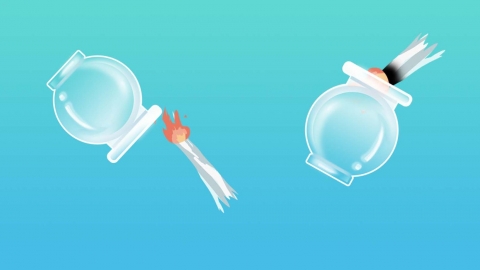
Cupping creates negative pressure, increasing capillary permeability in the local skin area and causing tissue fluid to exude, forming yellow fluid. After stopping cupping, keep the skin dry and clean, avoid friction, and recovery usually occurs spontaneously within a few days.
2. Excessive Temperature Inside the Cup
High temperature during cup retention can irritate the skin, leading to epidermal damage with minor exudation of tissue fluid. Reduce the cupping temperature, shorten the duration of cup retention, and apply medical-grade vaseline locally to protect the skin.
3. Eczema
Inflammation due to damaged skin barrier can be aggravated by the negative pressure of cupping, resulting in increased exudation and yellow fluid discharge. Under medical guidance, topical corticosteroid creams such as hydrocortisone butyrate cream, desonide cream, or mometasone furoate gel can be applied. Keep the affected area well-ventilated and avoid scratching.
4. Seborrheic Dermatitis
Inflammation caused by overactive sebaceous glands may worsen with cupping stimulation, leading to increased exudation. As directed by a physician, topical treatments such as ketoconazole cream, miconazole clotrimazole cream, or tacrolimus ointment may be used. Maintain a light diet and reduce fat intake.
5. Impaired Lymphatic Return
Blocked lymphatic vessels cause lymphatic fluid accumulation, and the negative pressure from cupping promotes its exudation. Medical evaluation is necessary to determine the underlying cause. Medications such as micronized purified flavonoid extract (MPFF) tablets, diosmin tablets, or calcium dobesilate capsules may be prescribed. In severe cases, lymphatic reconstruction surgery may be required.
During routine cupping therapy, temperature and duration should be carefully controlled, and procedures should be performed at qualified institutions. If yellow fluid discharge is accompanied by redness, swelling, or increased pain, cupping should be stopped immediately and medical attention sought. Maintaining skin hygiene and a balanced diet can enhance skin resistance and reduce the likelihood of adverse reactions.




