


How to get rid of pimples on the face
Dec 02, 2024
Source: Cainiu Health

Dr. Liu Wenmin
Introduction
Long-term mental stress and emotional fluctuations can lead to endocrine disorders, which in turn affect skin health and trigger acne. Patients should practice relaxation techniques, such as deep breathing, yoga, or meditation, to help alleviate stress. Ensure adequate sleep and maintain a healthy lifestyle. Avoid using oily cosmetics, washing the face too frequently, scrubbing the face vigorously, or washing the face with excessively hot water.
Generally speaking, pimples refer to acne. Facial acne may be related to puberty, stress, improper skin care, drug side effects, polycystic ovary syndrome (PCOS), and other factors. It can be managed by maintaining facial cleanliness, practicing relaxation techniques, choosing non-greasy cosmetics, changing medications, and using topical or oral treatments. It is recommended to visit a hospital to determine the exact cause and follow medical advice for treatment. The detailed analysis is as follows:
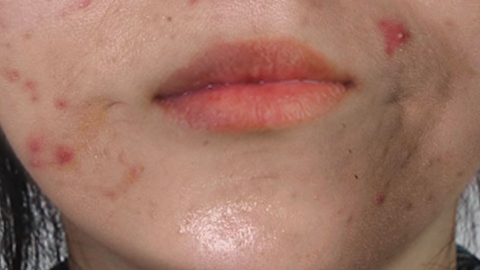
1. Puberty: During puberty, hormone levels fluctuate significantly, especially with increased secretion of androgens. This can stimulate the sebaceous glands to produce excess oil, which blocks pores and leads to acne. It is recommended to maintain good lifestyle habits, keep the face clean, and use oil-control and antibacterial facial cleansers, such as those containing salicylic acid.
2. Stress: Long-term mental stress and emotional fluctuations can cause endocrine disorders, which affect skin health and trigger acne. Patients should practice relaxation techniques, such as deep breathing, yoga, or meditation, to help relieve stress. Adequate sleep and a healthy lifestyle should also be maintained.
3. Improper Skin Care: Using oily cosmetics, washing the face too frequently, scrubbing the skin vigorously, or using excessively hot water for washing may damage the skin's natural barrier and lead to acne. It is recommended to choose lightweight, breathable cosmetics and thoroughly remove makeup. Clean the face daily with lukewarm water and a gentle facial cleanser to remove excess oil and dirt, but avoid over-cleansing.
4. Drug Side Effects: Certain medications, such as lithium salts and antiepileptic drugs, may affect hormonal balance, stimulate sebaceous gland secretion, or alter the microbial environment on the skin surface, promoting the development of acne. Patients should communicate with their doctors promptly to evaluate whether adjustments to the medication regimen are needed.
5. Polycystic Ovary Syndrome: PCOS is an endocrine and metabolic disorder characterized by elevated androgen levels in the body, which can lead to overactive sebaceous glands and the formation of acne. It may be accompanied by symptoms such as menstrual irregularities, infertility, and hirsutism. Patients should follow medical advice to use medications such as dydrogesterone tablets, progesterone capsules, and letrozole tablets to aid recovery.
In daily life, patients should maintain a balanced diet, reduce the intake of high-sugar, high-fat, and spicy foods, and consume more fresh vegetables and fruits.



