


What to do about poor sleep quality
Dec 16, 2024
Source: Cainiu Health

Dr. Lv Zhiqin
Introduction
In general, poor sleep may be caused by excessive stress, an unfavorable sleep environment, menopausal syndrome, anxiety disorders, depression, or other factors. It is recommended to seek medical attention promptly, identify the underlying cause, and under a doctor's guidance, use general treatments, medications, or other methods to help regulate sleep. In daily life, it is important to develop healthy lifestyle habits.
Generally, poor sleep may be caused by excessive stress, an unfavorable sleep environment, menopausal syndrome, anxiety disorders, depression, and other factors. It is recommended to seek timely medical consultation to identify the underlying cause, and under a doctor's guidance, employ general treatments, medications, and other methods to help regulate sleep. Detailed analysis is as follows:
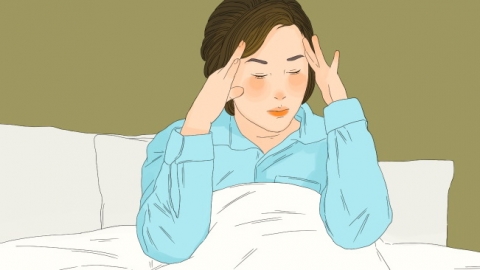
1. Excessive stress: When stressed, the body secretes large amounts of cortisol, which suppresses melatonin secretion. Melatonin is an important hormone that regulates sleep; its reduction can cause difficulty falling asleep and affect sleep quality. Relaxation techniques such as yoga, meditation, and deep breathing should be practiced to help relax both mind and body.
2. Poor sleep environment: An uncomfortable sleep environment, such as noise, excessive lighting, or extreme room temperatures (too high or too low), can impact sleep quality. The sleep environment should be improved—for example, using blackout curtains, earplugs, or other tools to reduce disturbances from noise and light, and adjusting the room temperature to a comfortable range.
3. Menopausal syndrome: In menopausal women, declining estrogen levels can affect the function of the sleep-regulating center, leading to reduced sleep quality, potentially accompanied by symptoms such as hot flashes, sweating, and mood swings. It is recommended to follow medical advice and use medications such as Wuji Baifeng Pills, Zhenyuan Tablets, or Jingxin Oral Liquid to alleviate symptoms.
4. Anxiety disorder: Anxiety disorder is a common mental illness in which patients experience excessive worry, restlessness, and sleep disturbances, significantly affecting sleep quality. Symptoms may also include tension, uneasiness, and irritability. Patients may follow medical advice to use medications such as Estazolam Tablets, Alprazolam Tablets, or Sertraline Hydrochloride Tablets for treatment.
5. Depression: Patients with depression may experience symptoms such as low mood, loss of interest, and sleep disturbances, which negatively impact sleep quality. Additional symptoms may include persistent sadness, reduced interest, and decreased energy. Treatment may involve medications such as Clomipramine Hydrochloride Tablets, Amitriptyline Hydrochloride Tablets, or Escitalopram Oxalate Tablets, as directed by a physician.
In daily life, it is important to develop healthy habits, such as maintaining regular sleep patterns, engaging in moderate exercise, and eating a balanced diet, all of which can help improve sleep quality.


