


What should I do if I can't have a bowel movement?
Dec 21, 2024
Source: Cainiu Health

Dr. Shen Yonghua
Introduction
Long-term consumption of overly dry and hard foods, such as excessive intake of noodles, sweet potatoes, and potatoes, combined with insufficient water intake or inadequate consumption of vegetables and fruits, can lead to insufficient water and fiber in the intestines. This results in dry, hard stools that are difficult to pass. To address this, adjust your diet by increasing water intake and consuming more vegetables and fruits rich in fiber, such as radishes, bananas, and apples.
Under normal circumstances, constipation may be caused by dietary factors, lack of physical activity, functional constipation, chronic gastroenteritis, anal fissures, and other reasons. General treatment and medication can be used to improve the condition. Prompt medical consultation is recommended, and treatments should be followed as directed by a physician. Details are as follows:
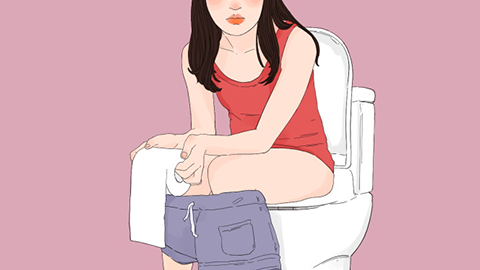
1. Dietary factors: Long-term consumption of overly dry or hard foods, such as excessive intake of flour-based foods, sweet potatoes, potatoes, etc., combined with insufficient water intake or inadequate intake of vegetables and fruits, may lead to insufficient water and fiber in the intestines, resulting in dry, hardened stools that are difficult to pass. Adjust your diet by increasing water intake and consuming more vegetables and fruits rich in fiber, such as radishes, bananas, and apples.
2. Lack of physical activity: Prolonged sitting or lying down without sufficient exercise can weaken intestinal motility, causing stools to remain in the intestines for too long and lose moisture, leading to dry and hardened stools. Increase physical activity, avoid prolonged sitting or lying down, and engage in regular exercise such as running or cycling, which can shorten the time stool remains in the intestines and improve constipation symptoms.
3. Functional constipation: Functional constipation refers to constipation caused by abnormal intestinal function rather than organic disease. This type of constipation may be related to weakened intestinal peristalsis, excessive water absorption in the intestines, insufficient defecation power, and other factors. Patients may experience difficulty defecating, accompanied by bloating. Medications such as Bifidobacterium live powder, Xingpi Yang'er granules, and Simotang oral liquid can be taken under medical guidance to promote defecation.
4. Chronic gastroenteritis: Chronic gastroenteritis refers to chronic inflammation of the gastric and intestinal mucosa, which may lead to abnormal intestinal function and weakened intestinal peristalsis, thus affecting defecation. Inflammation may also stimulate excessive mucus secretion in the intestines, making stools viscous and difficult to pass, often accompanied by acid reflux. Under a doctor's guidance, medications such as omeprazole enteric-coated capsules, domperidone tablets, and potassium bismuth citrate tablets can be used to inhibit gastric acid secretion and promote gastrointestinal motility.
5. Anal fissure: An anal fissure refers to a longitudinal tear or ischemic ulcer in the full thickness of the anal canal skin. Anal fistula refers to a granulomatous channel around the anal canal. These conditions may cause anal sphincter spasm or fear of defecation, leading to the disappearance of the defecation reflex and resulting in constipation. Patients may experience anal pain and should use medications such as lidocaine gel, acetaminophen tablets, and amoxicillin capsules under medical guidance for pain relief and anti-inflammatory effects.
Maintaining good living and dietary habits daily, along with regular physical examinations and check-ups, can help reduce the risk of constipation.


