


How to treat elbow bursitis
Dec 21, 2024
Source: Cainiu Health

Dr. Chen Jian
Introduction
Under normal circumstances, elbow fasciitis may be caused by long-term strain, exposure to cold or cold stimulation, trauma to the elbow joint, infection of the elbow joint, degenerative changes in the elbow joint, and other factors. General treatment and medication can be used to improve the condition. It is important to seek medical attention promptly and follow medical advice for treatment. During the treatment process, attention should be paid to adjusting lifestyle habits and dietary patterns to promote recovery.
Generally, elbow fasciitis may be caused by long-term strain, exposure to cold or cold stimulation, elbow joint trauma, elbow joint infection, and degenerative changes of the elbow joint. Measures such as general treatment and medication can be taken to improve the condition. Prompt medical attention is required, and treatment should follow medical advice. Details are as follows:
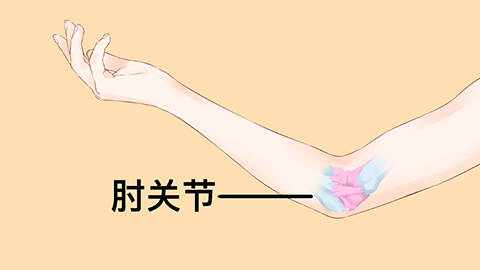
1. Long-term strain: Prolonged engagement in work or sports that require frequent use of the elbow joint can lead to overuse of the elbow muscles, tendons, and fascia, resulting in chronic strain. This can cause aseptic inflammation in the fascial tissue, leading to fasciitis. It is recommended to reduce elbow joint activity, avoid overuse, and allow adequate rest for the fascial tissue.
2. Exposure to cold and cold stimulation: Prolonged exposure of the elbow joint to cold environments or direct stimulation by cold air or cold water can cause vasoconstriction of the fascial tissue, slowed blood circulation, and insufficient local nutrient supply, leading to fasciitis. It is important to keep the elbow joint warm and avoid prolonged exposure to cold environments.
3. Elbow joint trauma: Trauma can cause tears or ruptures of the tendons, ligaments, or fascia in the elbow joint. Such injuries can compromise the integrity of the fascial tissue, triggering aseptic inflammation and resulting in fasciitis. Symptoms such as local swelling and pain may appear. Under a doctor's guidance, medications such as Sanqi Shangyao tablets, Amoxicillin capsules, and Ibuprofen sustained-release tablets can be used to improve local blood circulation and reduce inflammation.
4. Elbow joint infection: When bacteria or other pathogens invade the fascial tissue of the elbow joint, localized infection can occur. This infection can damage the structure and function of the fascial tissue, causing aseptic inflammation and resulting in fasciitis, often accompanied by chills. Medications should be used according to medical advice, such as Amoxicillin capsules, Cefixime capsules, and Leflunomide tablets, to combat infection and relieve pain.
5. Degenerative changes of the elbow joint: With aging, the cartilage, synovial membrane, and other structures of the elbow joint may undergo degeneration, leading to decreased joint stability and uneven joint surfaces. This exacerbates wear and strain on the elbow joint, causing fasciitis, which manifests as elbow joint stiffness. Anti-inflammatory medications such as Celecoxib capsules, Glucosamine sulfate capsules, and Diclofenac sodium sustained-release tablets can be used under medical guidance to protect the articular cartilage.
During treatment, attention should be paid to adjusting lifestyle habits and dietary patterns to promote recovery from the condition.







