


What should be noted to prevent spring infectious diseases?
Dec 01, 2025
Source: Cainiu Health

Dr. Ren Yi
Introduction
To prevent infectious diseases in spring, it is generally important to maintain good personal hygiene, ensure proper ventilation of living spaces, follow a balanced diet and regular作息 (daily routine), avoid contact with sources of infection, and receive timely vaccinations. Wash hands frequently with soap or hand wash and running water, especially after touching public items, before meals, and after using the toilet. When coughing or sneezing, cover your mouth and nose with a tissue or the crook of your elbow to prevent the spread of germs through respiratory droplets.
To prevent infectious diseases in spring, it is generally important to pay attention to personal hygiene habits, maintain good indoor ventilation, follow a balanced diet and regular作息 (routine), avoid contact with sources of infection, and receive vaccinations promptly. A detailed analysis is as follows:
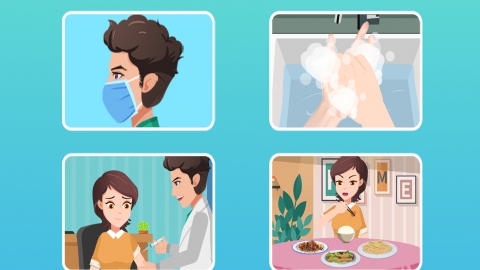
1. Personal hygiene habits: Wash hands frequently with soap or hand wash and running water, especially after touching public items, before meals, and after using the toilet. Cover your mouth and nose with a tissue or your elbow when coughing or sneezing to prevent the spread of germs through droplets.
2. Maintain environmental ventilation: Poor air circulation indoors during spring can easily promote bacterial growth. Windows should be opened regularly each day to ensure fresh air, reduce the concentration of pathogens in the air, and lower the risk of infection.
3. Balanced diet and routine: Ensure a nutritionally balanced diet by eating plenty of vegetables and fruits and consuming adequate protein to strengthen the body's immunity. Maintain a regular daily schedule, ensure sufficient sleep, avoid excessive fatigue, and keep the body in optimal condition.
4. Avoid contact with infection sources: Try to avoid crowded places with poor air circulation. If visiting such places is necessary, wear a mask. Avoid contact with individuals showing symptoms such as fever or cough to reduce the risk of infection.
5. Timely vaccination: Receive recommended vaccines for infectious diseases—such as influenza and measles vaccines—as advised by healthcare professionals. Vaccination helps the body produce antibodies and effectively prevents infections.
During spring, closely monitor your health. If symptoms such as fever, cough, or rash occur, seek medical attention promptly and inform the doctor of any relevant exposure history for early diagnosis and treatment.




