How to disinfect and sterilize a room
Dec 21, 2024
Source: Cainiu Health

Dr. Yang Ziqi
Introduction
Common methods for disinfecting and sterilizing a room typically include ventilation, ultraviolet disinfection, wiping disinfection, fumigation, and spray disinfection. When using any disinfection method, it is essential to ensure safety and avoid causing harm to the human body. Additionally, regular disinfection should be performed to maintain cleanliness and reduce opportunities for bacterial and viral growth.
Common methods for disinfecting and sterilizing a room typically include ventilation, ultraviolet disinfection, wipe disinfection, fumigation, and spray disinfection. A detailed explanation is as follows:
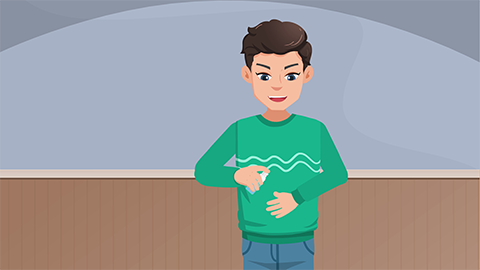
1. Ventilation: Regularly opening windows for ventilation is the simplest and most effective method for air disinfection. By promoting indoor air circulation, it can reduce or eliminate indoor pathogens and maintain fresh air. It is recommended to open windows 2–3 times daily, each time for 20 minutes to 1 hour, adjusting appropriately according to the season and weather conditions.
2. Ultraviolet Disinfection: Ultraviolet light has strong bactericidal properties. UV lamps can be used to irradiate the room, or items needing disinfection can be directly exposed to sunlight. When using UV lamps, doors and windows should be closed, and people should stay away from the room to avoid harm from UV exposure. When sun-drying items, they should be turned periodically to ensure all surfaces are directly exposed to sunlight for better disinfection.
3. Wipe Disinfection: Wiping contaminated surfaces such as floors, furniture, and appliances with chemical disinfectants is also an effective method. Commonly used disinfectants include peracetic acid, 84 disinfectant solution, and 75% medical alcohol. When wiping, ensure even coverage of the disinfectant on the surface and allow it to remain for a certain period before wiping clean with water.
4. Fumigation Disinfection: This involves using gases produced by disinfectants to sterilize, commonly used for rooms previously occupied by infectious patients and for disinfecting indoor surfaces. Solutions such as vinegar or peracetic acid can be used for fumigation, with the room kept sealed for a period before ventilating by opening windows.
5. Spray Disinfection: Spraying disinfectants using a sprayer is another commonly used disinfection method. Medical-grade diluted solutions such as bleach (sodium hypochlorite) or 84 disinfectant can be sprayed in the room. After spraying, doors and windows should be closed for a period, and people should temporarily leave the area. Ensure even distribution of the disinfectant and wipe off any residual chemicals with clean water after spraying.
When using any disinfection method, safety must be ensured to avoid harm to the human body. Additionally, regular disinfection should be conducted to maintain cleanliness and reduce opportunities for bacterial and viral growth.