


What causes a dry throat during sleep?
Dec 21, 2024
Source: Cainiu Health

Dr. Lu Cheng
Introduction
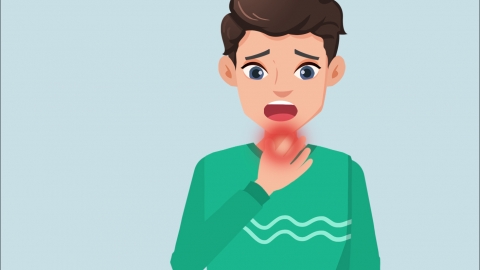
Under normal circumstances, the throat refers to the pharynx. Dry throat during sleep may be caused by factors such as insufficient environmental humidity, mouth breathing, alcohol consumption, caffeine intake, gastroesophageal reflux disease (GERD), Sjögren's syndrome, and other conditions. If discomfort occurs, it is recommended to seek medical attention promptly. Regularly maintaining indoor humidity, drinking an adequate amount of water, avoiding irritants, paying attention to dietary habits, and timely treatment of underlying diseases are also important.
Generally, the throat refers to the pharynx. Dryness in the throat during sleep may be caused by insufficient environmental humidity, mouth breathing, alcohol and caffeine intake, gastroesophageal reflux disease (GERD), Sjögren's syndrome, or other factors. If discomfort occurs, timely medical consultation is recommended. Detailed analysis is as follows:
1. Insufficient Environmental Humidity
At night, especially during winter or in air-conditioned rooms, the moisture content in the air decreases, which may cause respiratory mucous membranes to lose necessary moisture, leading to dryness and discomfort in the throat during sleep. It is recommended to use a humidifier to maintain suitable indoor humidity and drink more water to help thin mucus.
2. Mouth Breathing
When nasal passages are blocked due to colds or allergic rhinitis, patients may be forced to breathe through the mouth, directly causing the inhaled air to be drier and irritating the pharyngeal mucosa, resulting in a sensation of dryness. In daily life, nasal passages should be kept clear, and physiological saline can be used to rinse the nasal cavity.
3. Alcohol Consumption and Caffeine Intake
Alcohol and caffeinated beverages have diuretic effects, accelerating water loss from the body and causing dehydration. Additionally, these substances can affect sleep quality and reduce the time spent in deep sleep, preventing the throat from getting sufficient rest. To avoid this, beverages containing alcohol or caffeine should be avoided before bedtime, and adequate daily water intake should be ensured.
4. Gastroesophageal Reflux Disease (GERD)
GERD is a condition caused by dysfunction of the lower esophageal sphincter, allowing stomach contents to flow back into the esophagus and even the throat. The acidic gastric contents can directly damage the throat mucosa, impairing its normal barrier function, thereby causing dryness and other discomforts. Symptoms such as heartburn and acid regurgitation may also occur. Treatment may include medications like omeprazole enteric-coated capsules, hydrotalcite chewable tablets, and domperidone tablets, under a doctor's guidance.
5. Sjögren's Syndrome
Sjögren's syndrome is an autoimmune disease in which the patient's tear and salivary glands are damaged, potentially leading to reduced secretion of tears and saliva. Due to insufficient saliva lubrication, throat mucosa can become dry, and patients may also experience symptoms such as dry mouth and dry eyes. Patients may follow medical advice to use medications such as urea ointment, hydroxychloroquine sulfate tablets, and total glucosides of paeony capsules for treatment.
In daily life, it is important to maintain indoor humidity, drink adequate water, avoid irritants, pay attention to dietary habits, and seek timely medical treatment for underlying conditions.







