


What should I do if my anus bleeds every time I have a bowel movement?
Dec 23, 2024
Source: Cainiu Health

Dr. Li Jingxiang
Introduction
Anal bleeding during defecation may be caused by dietary factors, constipation, hemorrhoids, anal fissures, perianal abscesses, or other conditions. It can be treated or alleviated by improving dietary habits, or using medications such as Bifidobacterium live powder, Gangtai ointment, warm sitz baths, or Etimicin sulfate and sodium chloride injection, as directed by a physician. It is recommended to seek timely medical attention.
Rectal bleeding during defecation may be caused by various factors such as dietary habits, constipation, hemorrhoids, anal fissures, or perianal abscesses. This condition can be treated or relieved by improving dietary habits, or using medications such as Bifidobacterium live powder, Gangtai ointment, warm sitz baths, or etimicin sulfate and sodium chloride injection, as directed by a physician. It is recommended to seek timely medical advice to identify the underlying cause and receive appropriate treatment under a doctor's guidance. Detailed analysis is as follows:
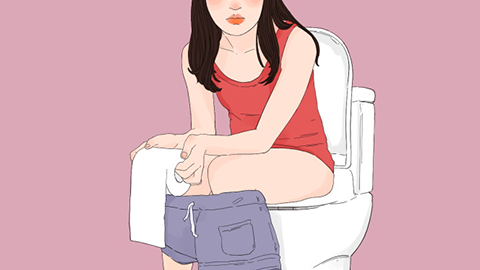
1. Dietary factors: Consuming excessive spicy and irritating foods such as chili peppers and Sichuan peppercorns can irritate the mucous membranes of the intestines and anus. Hard stools can cause friction and damage to the anal mucosa, resulting in bleeding. It is recommended to improve dietary habits and increase dietary fiber intake to soften stools and reduce irritation to the anus.
2. Constipation: Insufficient water intake and lack of physical activity may lead to chronic constipation or dry, hard stools. Excessive straining during bowel movements may cause damage to the anal skin or mucous membranes, resulting in bleeding. Symptoms may include difficulty defecating and abdominal distension. Patients may use medications such as Bifidobacterium live powder, Xingshen Yang'er granules, or Simotang oral liquid under medical guidance.
3. Hemorrhoids: Hemorrhoids may be related to poor lifestyle habits or anal infections. Internal or external hemorrhoids may rupture and bleed due to increased pressure during defecation. Accompanying symptoms may include anal discomfort, itching, and protruding masses. Patients may use medications such as Gangtai ointment, Yunnan Baiyao hemorrhoid ointment, or Ma Yinglong Musk Hemorrhoid Ointment under a doctor's supervision.
4. Anal fissures: Anal fissures are primarily caused by hard stools and excessive straining during bowel movements, which result in complete tearing of the anal mucosa. Small blood vessels at the fissure site rupture, causing anal bleeding, often accompanied by severe pain. Mild anal fissures can be treated conservatively, for example with warm sitz baths. If the fissure is severe or recurs frequently, surgical treatment such as fissurectomy may be required.
5. Perianal abscess: Caused by bacterial infection, an abscess forms around the anus and may rupture and bleed due to increased pressure during defecation. Accompanying symptoms may include redness, swelling, and pain around the anus. Patients may take medications such as etimicin sulfate and sodium chloride injection, metronidazole capsules, or amoxicillin capsules as directed by a physician.
In daily life, maintaining good dietary and bowel habits can help reduce the occurrence of rectal bleeding.



